


What's Happening?
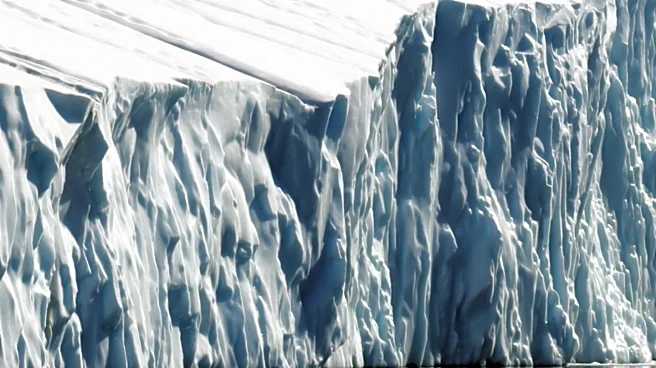
Researchers have uncovered new evidence suggesting that the brine feeding Antarctica's Blood Falls originates from ancient seawater trapped beneath the glacier. This discovery was made through genetic analysis of microorganisms in the area, which showed
a dominance of marine eukaryotic lineages. The findings provide a clearer understanding of the unique environmental conditions that created Blood Falls.
Why It's Important?
This study enhances our understanding of Antarctica's unique ecosystems and the historical changes in sea levels and glacial movements. The presence of ancient seawater and its microbial life offers insights into past climate conditions and the resilience of life in extreme environments. These findings could inform future research on climate change and its impact on polar regions.
What's Next?
Further research is needed to determine the exact timeline of when the seawater became trapped and how it has influenced the local ecosystem. Scientists may also explore the potential for similar phenomena in other glacial regions. This research could contribute to broader studies on climate change and its historical impacts on Earth's polar environments.