
What's Happening?
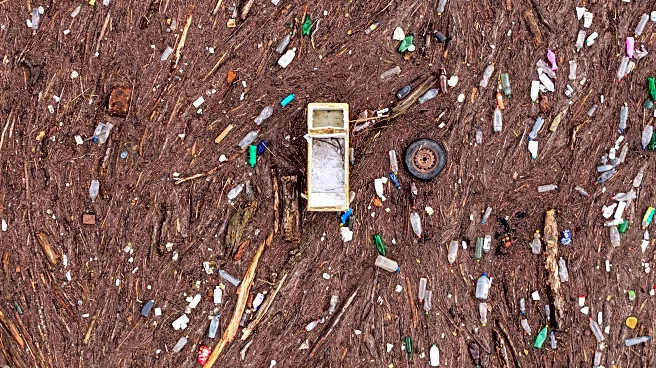
A recent study led by Curtin University has revealed the widespread practice of burning plastic for heating and cooking in low-income urban areas across 26 countries. This practice is primarily driven
by energy poverty and inadequate waste management systems. The study, published in Nature Communications, surveyed over 1,000 respondents, including researchers, government workers, and community leaders, who reported witnessing or participating in plastic burning. The burning of plastic, including materials like polyvinyl chloride (PVC), releases toxic emissions such as dioxins and furans, posing significant health and environmental risks. Vulnerable groups, including women, children, and the elderly, are most exposed to these toxic emissions, which can lead to severe health issues like cancer and immune system damage.
Why It's Important?
The findings of this study underscore a critical environmental and public health issue that has largely gone unnoticed due to its occurrence in marginalized communities. The burning of plastic not only contributes to air pollution but also leads to food contamination, as toxic chemicals can settle on crops and enter water sources. This creates a hidden health crisis for communities already facing significant challenges. The study highlights the urgent need for targeted interventions to address the root causes of this practice, such as energy poverty and lack of waste management services. Addressing these issues is crucial for improving the health and well-being of vulnerable populations and mitigating environmental damage.
What's Next?
The study calls for immediate action to provide safer alternatives to plastic burning. This includes improving sanitation, supporting access to modern cooking energy, and working with communities to develop practical and culturally relevant solutions. As plastic use is projected to triple by 2060, it is essential to design interventions that genuinely support the world's most vulnerable urban residents. The research provides a foundation for policymakers and international organizations to develop strategies that address the root causes of plastic burning and promote sustainable waste management practices.