



What's Happening?
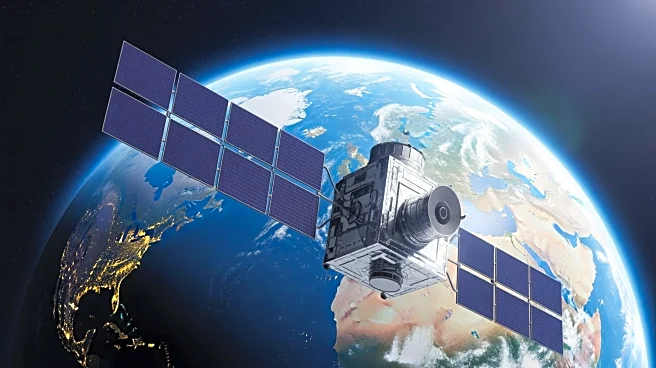
SpaceX successfully launched the first mission of 2026 with a Falcon 9 rocket carrying an Italian Earth-observing satellite. The launch took place from Vandenberg Space Force Base in California at 9:09 p.m. EST on January 2, 2026. The mission, known as the COSMO-SkyMed
Second Generation, is a collaboration between the Italian Space Agency and the Italian Ministry of Defence. The satellite was deployed into low Earth orbit approximately 4.5 minutes after liftoff. The Falcon 9's first stage successfully returned to Vandenberg about 8.5 minutes post-launch. This mission marks the 21st flight for this particular booster. The COSMO-SkyMed Second Generation satellite is designed to monitor Earth using synthetic aperture radar, providing data for various applications including risk management, environmental protection, and defense.
Why It's Important?
This launch underscores SpaceX's continued dominance in the global space launch industry, having completed 165 orbital missions in 2025 alone. The successful deployment of the COSMO-SkyMed Second Generation satellite enhances Italy's capabilities in Earth observation, supporting critical areas such as emergency prevention and natural resource management. The mission also highlights the growing importance of international collaborations in space exploration, as countries seek to leverage advanced technologies for strategic and scientific purposes. The data collected by the satellite will aid in global efforts to address environmental and security challenges.
What's Next?
SpaceX is likely to continue its aggressive launch schedule in 2026, potentially aiming to surpass its previous record of 165 missions in a year. The data from the COSMO-SkyMed Second Generation satellite will be utilized by various sectors, including defense and agriculture, to improve decision-making processes. Future launches may include additional satellites to expand the COSMO-SkyMed network, further enhancing its global monitoring capabilities. Stakeholders in the space industry will be watching closely to see how SpaceX's continued innovations influence market dynamics and international space policies.