






What's Happening?
Trace Thompson, a Mount Vernon resident, is facing significant financial burdens and vehicle damage after his car was stolen in October and subsequently recovered. Thompson reported his car missing on October 17, and after two days, police confirmed it
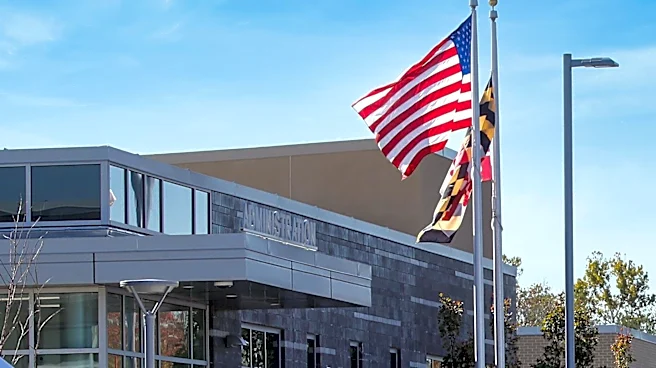
was stolen. The vehicle was later tracked via license plate reader cameras and the car manufacturer's tracking system to a motel, where Baltimore County police found it at a Wawa in Lansdowne. The driver, Bobby Hamlett, was arrested and charged with unlawful taking of a vehicle, claiming he knew Thompson and was borrowing the car. Upon recovery, Thompson discovered his car had been entered by prying out a port window, and the interior was damaged with trash, drugs, and bodily fluids. He also received tickets for unpaid tolls incurred while the car was stolen and a $2,398 fine from the MVA for lapsed insurance, despite having continuous coverage.
Why It's Important?
This incident highlights the significant personal and financial distress that victims of car theft can experience, even after their vehicle is recovered. The case of Trace Thompson underscores systemic issues within law enforcement and administrative processes that can exacerbate a victim's ordeal. The MVA's fine for lapsed insurance, triggered by the stolen vehicle report, demonstrates a disconnect between agency procedures and real-world circumstances, placing an undue burden on the victim. Furthermore, the damage to the vehicle and the presence of illicit substances suggest a broader public safety concern related to vehicle theft and its potential links to other criminal activities. Thompson's call for the city to do more to protect residents from such crimes reflects a growing frustration among citizens regarding urban safety and the effectiveness of current measures.
What's Next?
Bobby Hamlett, the individual arrested in connection with the car theft, is scheduled to appear in court in December. Thompson is actively seeking resolution for the erroneous MVA fine, with the agency reportedly reaching out to him to address the issue. He also faces the costs and inconvenience of repairing the damage to his car and dealing with the unpaid toll tickets. Thompson's experience may prompt further discussions and calls for action regarding police response times to stolen vehicle reports and the administrative handling of such cases by state agencies. The incident could also contribute to ongoing conversations about urban crime rates and the need for more effective preventative measures and victim support systems in cities like Baltimore.
Beyond the Headlines
The challenges faced by Trace Thompson extend beyond the immediate financial and logistical issues, touching upon deeper societal implications. The incident raises questions about the efficacy of current urban policing strategies in addressing vehicle theft and related crimes. The emotional toll of having one's personal property violated and then facing additional bureaucratic hurdles can erode public trust in institutions. Thompson's statement, 'If stuff like this keeps happening to your young professionals, we’re going to leave,' points to a potential brain drain from urban centers if residents feel unsafe and unsupported. This case serves as a microcosm of the broader struggle many cities face in balancing public safety, administrative efficiency, and citizen well-being, ultimately impacting urban development and community stability.