


What's Happening?
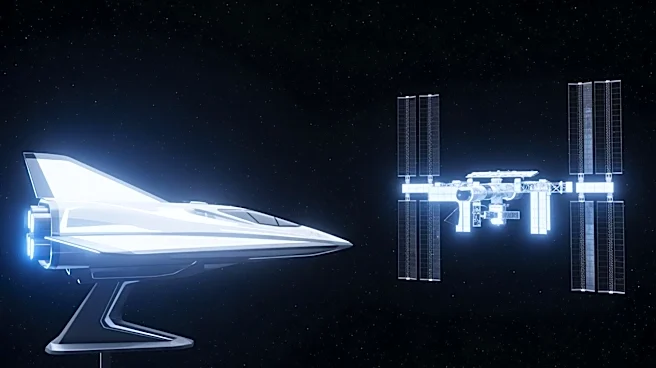
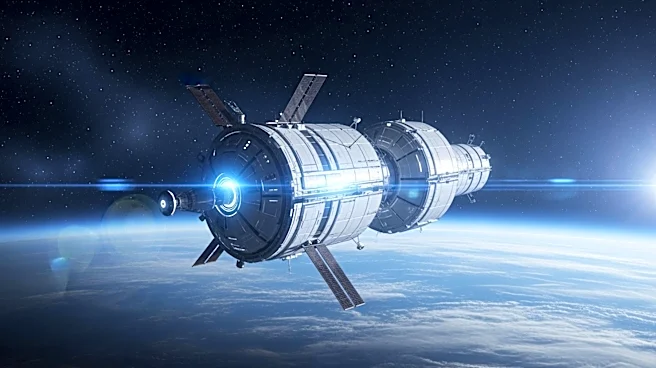
The International Space Station (ISS) has increased its orbit following a reboost maneuver by the Progress 93 cargo craft, positioning it for the upcoming Progress 95 mission. The station's crew is actively engaged in new scientific experiments and installing
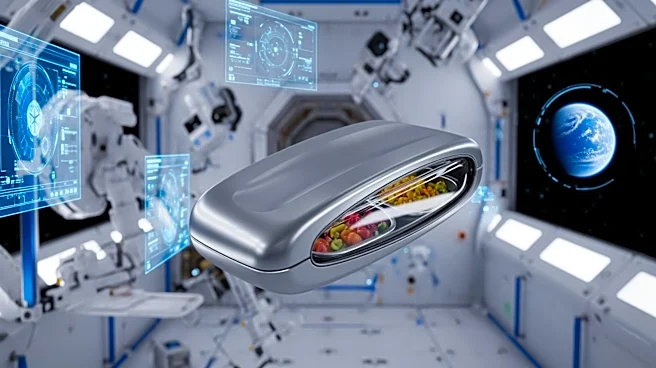
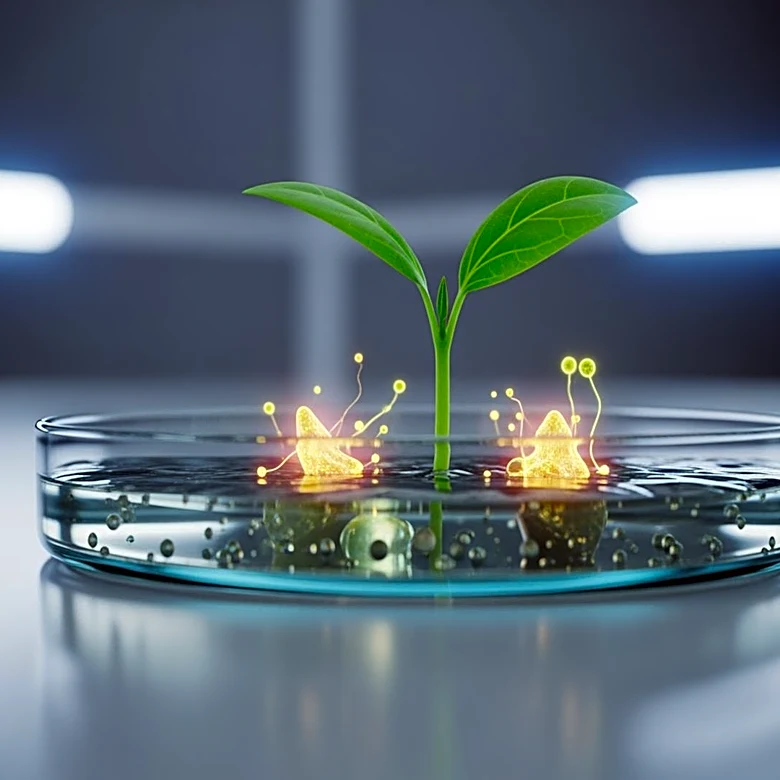
advanced lab hardware. NASA flight engineers are focusing on cardiovascular health and infectious diseases, using the Multi-use Variable-g Platform to simulate artificial gravity. Other experiments include studying bacteria's effects on heart tissue and growing plants for future space missions. European and Russian crew members are also involved in maintenance and scientific activities, including quantum physics research and artificial intelligence applications.
Why It's Important?
The ISS continues to be a vital platform for scientific research and international collaboration in space. The reboost maneuver ensures the station's readiness for future missions, while the ongoing experiments contribute to understanding health challenges in microgravity, which is crucial for long-duration space travel. The research conducted on the ISS has implications for treating diseases on Earth and developing technologies for future lunar and Mars missions. The collaboration between NASA, ESA, and Roscosmos highlights the importance of international partnerships in advancing space exploration and scientific discovery.