




What's Happening?
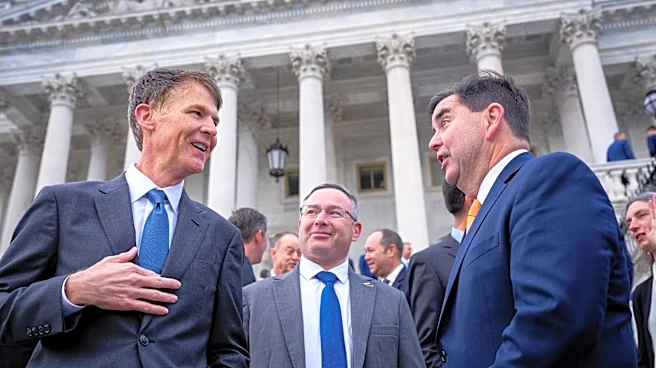
Representative Bruce Westerman (R-Arkansas) has co-sponsored the Veteran Owner-Builders Rights Act, a bill designed to provide military veterans with greater access to affordable and reliable housing. This legislation introduces an innovative pilot program
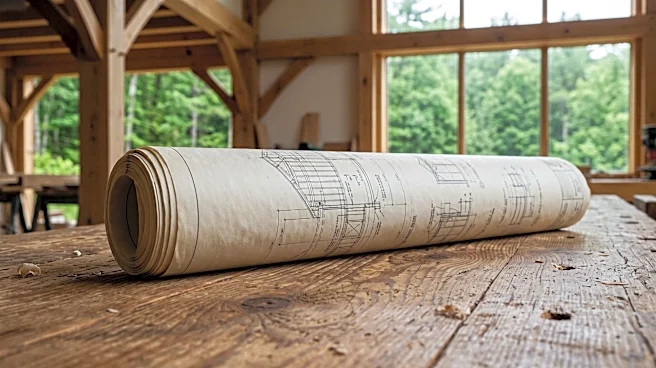
that will work with the Department of Veterans Affairs (VA) to offer direct, low-interest loans at a one percent rate. These loans are intended to help veterans purchase land and construct their own homes. Representative Westerman emphasized that the bill aligns with his commitments to supporting the forestry industry and honoring veterans. He highlighted the direct correlation between veterans' well-being and reliable housing, noting that high construction costs and interest rates often hinder veterans from achieving homeownership.
Why It's Important?
This bill addresses a critical issue for the approximately 17 million veterans in the United States: access to stable and affordable housing. By providing low-interest loans and facilitating owner-built homes, the Veteran Owner-Builders Rights Act could significantly improve the financial stability and quality of life for many veterans. This initiative could reduce homelessness among veterans and empower them to invest in their futures. Furthermore, the bill includes provisions that require the use of domestically sourced wood products for construction, such as structural wood framing, cabinets, doors, and trim. This requirement aims to bolster the U.S. forestry industry, which contributes significantly to the national GDP, and reduce reliance on foreign imports. This dual benefit could stimulate both the housing market for veterans and the domestic timber industry.
What's Next?
The Veteran Owner-Builders Rights Act will proceed through the legislative process, requiring further debate, potential amendments, and votes in both the House and Senate. If passed, the VA will be tasked with implementing the pilot program for direct, low-interest loans. This would involve establishing the necessary infrastructure and guidelines for loan applications and oversight. The success of the program will depend on its effective administration and outreach to the veteran community. Additionally, the domestic forestry industry will need to prepare for a potential increase in demand for its products, ensuring that supply chains can meet the new requirements. Advocacy groups for veterans and the timber industry will likely monitor the bill's progress and implementation closely.
Beyond the Headlines
The Veteran Owner-Builders Rights Act represents a broader policy trend of integrating social welfare initiatives with economic development strategies. By linking veteran housing support with domestic industry promotion, the bill seeks to achieve multiple objectives simultaneously. This approach could serve as a model for future legislation aimed at addressing societal needs while also strengthening national industries. Ethically, the bill underscores the nation's commitment to its veterans, acknowledging their sacrifices and providing tangible support for their post-service lives. Legally, the establishment of a new VA loan program would expand the scope of federal assistance for homeownership, potentially influencing future housing policies for other demographic groups. Culturally, it reinforces the value placed on self-sufficiency and homeownership within the veteran community.