








What's Happening?
The Mississippi Department of Agriculture and Commerce is organizing a one-day workshop titled 'Profitable & Resilient: Building High-Margin Livestock Systems for an Uncertain Future.' Scheduled for August 10, 2026, at the Mississippi Agriculture and Forestry
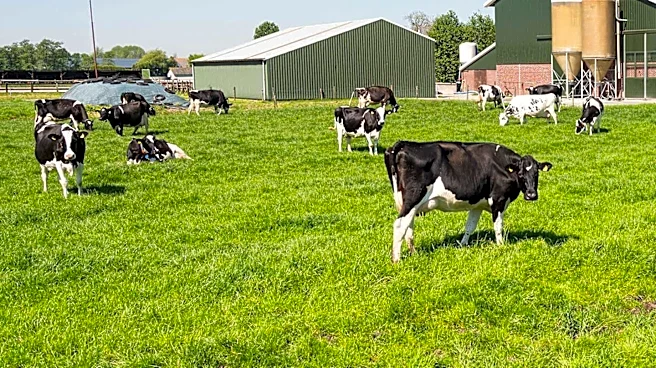
Museum in Jackson, the event aims to equip livestock producers with strategies to improve farm profitability and resilience. Dr. Allen Williams, a nationally recognized expert in livestock systems, will lead the workshop, focusing on reducing reliance on costly inputs, enhancing pasture and soil health, and increasing net profitability. Commissioner of Agriculture and Commerce Andy Gipson emphasized the workshop's focus on adaptive stewardship and low-input production systems, which are crucial for long-term success. Participants will learn to adapt to changing weather patterns, fluctuating cattle prices, and evolving consumer demands, positioning their operations to capitalize on emerging market opportunities.
Why It's Important?
This workshop is significant as it addresses the challenges faced by livestock producers in an increasingly volatile agricultural environment. By focusing on sustainable practices and resilience, the event aims to help farmers reduce costs and improve profitability, which is crucial for the economic stability of rural communities. The strategies discussed could lead to more sustainable farming practices, benefiting the environment and ensuring food security. As the agricultural sector faces pressures from climate change and market fluctuations, such initiatives are vital for maintaining the viability of livestock operations. The workshop also highlights the importance of innovation and adaptation in agriculture, encouraging producers to embrace new methods that can lead to long-term success.
What's Next?
Participants are expected to implement the strategies learned at the workshop to enhance their operations. The Mississippi Department of Agriculture and Commerce may continue to offer similar training sessions to support ongoing education and adaptation in the agricultural sector. As producers apply these practices, there could be a shift towards more sustainable and profitable farming methods across the state. The success of this workshop could lead to increased interest in similar programs, potentially influencing agricultural policies and practices at a broader level.