



What's Happening?
A new study published in Nature, conducted by researchers at the University of Copenhagen in collaboration with NASA, has identified the primary reason why astronauts experience constipation in space. The research, which involved analyzing samples from
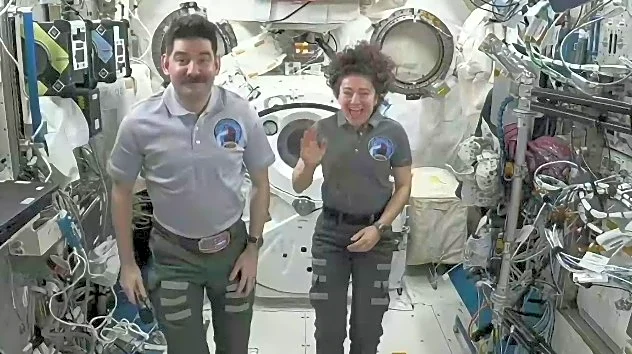
52 astronauts who spent months on the International Space Station, found that microgravity significantly impacts the gut microbiome. In a microgravity environment, food moves much slower through the digestive tract. This delay causes gut microbes to exhaust available carbohydrates early and subsequently ferment protein for energy. This protein fermentation releases specific compounds into the bloodstream, which researchers linked to slower bowel movements. Giorgia La Barbera, an associate professor at the University of Copenhagen, noted changes in astronauts' blood samples indicating increased protein fermentation by gut bacteria within weeks of space travel, a change that persists until their return to Earth. This finding builds on nearly three decades of research into the effects of low- or zero-gravity on human digestion.
Why It's Important?
This discovery is crucial for the future of long-duration space missions, such as a journey to Mars, which could last seven to nine months. Constipation, while seemingly minor, can lead to significant discomfort, including bloating, pain, cramping, and potentially more severe issues like hemorrhoids. More critically, long-term constipation is associated with an increased risk of heart disease, chronic kidney disease, colorectal cancer, and possibly inflammatory bowel disease. Addressing this issue is vital for maintaining astronaut health and performance during extended spaceflights. The study also suggests a potential link between the molecules produced during protein fermentation and increased anxiety and stress, as observed in animal models, adding another layer of concern for astronaut well-being. The findings also have implications beyond space travel, as they can inform treatments for bedridden patients on Earth who suffer from chronic constipation, highlighting the universal nature of digestive health challenges.
What's Next?
Researchers propose dietary modifications as a primary solution to mitigate astronaut constipation. They recommend a diet richer in 'slow-fermented carbohydrates,' which would provide gut microbes with a sustained energy source as food moves slowly through the digestive system. Henrik Roager, a study co-author, emphasized the importance of eating whole foods rich in dietary fiber, such as vegetables, lentils, and nuts, to maintain gut motility and provide substrates for bacteria. Supplementation with prebiotics is also suggested to help decrease gut transit time. NASA has expressed openness to these dietary changes, with Scott M. Smith, manager for nutritional biochemistry at NASA, stating that the agency is continuously exploring diet and health to mitigate the negative effects of spaceflight. NASA will continue to evaluate these findings and make recommendations as appropriate, aiming to ensure astronaut health and performance for future missions.
Beyond the Headlines
The study underscores the profound and often overlooked impact of gravity on fundamental biological processes, even at the microbial level. The shift in gut microbial activity from carbohydrate to protein fermentation in microgravity reveals a complex interplay between the environment, diet, and human physiology. This research highlights the intricate role of the gut microbiome not just in digestion, but potentially in broader health aspects, including mental well-being, given the observed link between fermentation byproducts and anxiety in animal models. The findings also emphasize the interconnectedness of health challenges faced by astronauts and certain patient populations on Earth, suggesting that solutions developed for space travel could have terrestrial applications. This holistic view of human health in extreme environments pushes the boundaries of nutritional science and space medicine, paving the way for more resilient and healthier long-duration space exploration.