
What's Happening?
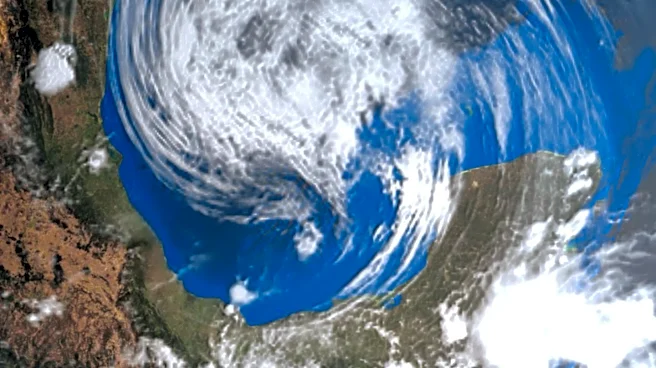
The La Niña weather system, which typically follows El Niño and strengthens normal weather patterns, has been associated with cooler conditions in the west. In early 2026, this system caused severe flooding
across several Southern African Development Community (SADC) countries. This widespread flooding damaged critical infrastructure and led to the displacement of local communities. Consequently, there has been a significant increase in malaria cases in affected nations, including Zimbabwe, Mozambique, and South Africa. Mozambique experienced a 55% rise in cases during the first six weeks of 2026 compared to the same period in 2025, while Zimbabwe reported 65,399 cases in the first quarter of 2026, nearly double the figure from the first quarter of 2025. The displacement of populations, particularly mobile and migrant groups, further strains already overburdened healthcare facilities and increases the risk of drug stockouts.
Why It's Important?
The surge in malaria cases due to La Niña-induced flooding highlights the critical vulnerability of public health systems in SADC countries to extreme weather events. This situation complicates global efforts to eliminate malaria by 2030, as targeted by the World Health Organization. The increased burden on healthcare infrastructure and the potential for drug shortages could lead to higher mortality rates and long-term health challenges for affected populations. Furthermore, the movement of displaced individuals across borders exacerbates the spread of the disease and places additional pressure on regional health resources. Improved forecasting of La Niña events and enhanced preparedness are crucial to mitigate these health crises and protect vulnerable communities.
What's Next?
To address the escalating health crisis, SADC countries need to implement effective early warning systems and develop robust response plans for extreme weather events and infectious disease outbreaks. These measures must be supported by prompt data sharing and strong regional coordination and cooperation. With the 'super' El Niño weather system expected to bring hot, dry conditions to southern Africa, and heavy rain and flooding predicted for east and central Africa, there is a potential for increased movement of displaced populations and diseases into the SADC region. Fully funded regional preparedness and response plans, backed by well-functioning coordination mechanisms, are essential to manage these foreseeable challenges and prevent further reversals in malaria control efforts.
Beyond the Headlines
The impact of La Niña on malaria incidence underscores the broader implications of climate change on global health security. As extreme weather events become more frequent and intense, the interconnectedness of climate, environment, and public health becomes increasingly evident. This situation also brings to light the challenges faced by countries heavily reliant on donor funding for health programs, as sudden shifts in donor priorities can leave critical gaps in disease control. Investing in domestic health infrastructure, genomic surveillance for drug resistance, and regional scientific expertise is vital for long-term resilience. The current crisis serves as a stark reminder that climate action and health initiatives are inextricably linked and require integrated, sustainable solutions.