




What's Happening?
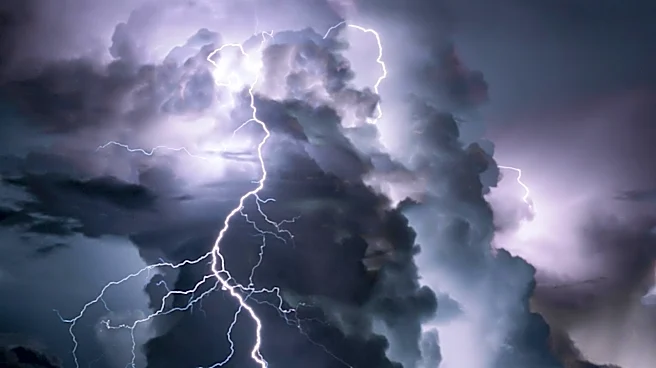
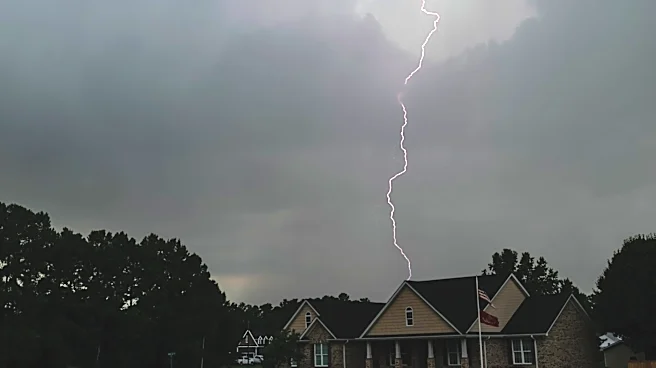
An American tourist, a 29-year-old man from Kansas, was killed after being struck by lightning while hiking on Sicily's Mount Etna. The incident occurred on Sunday evening in a prohibited area on the volcano's eastern slope. Italian firefighters located
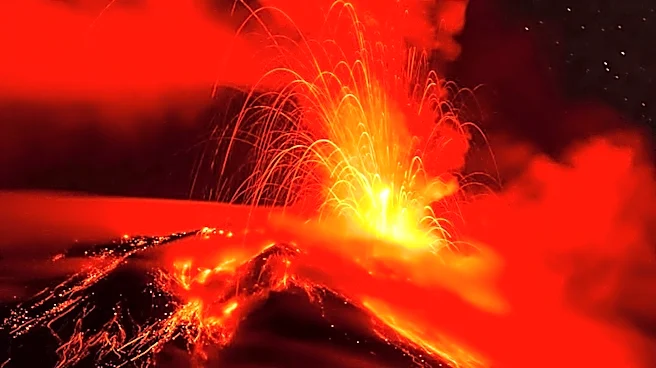
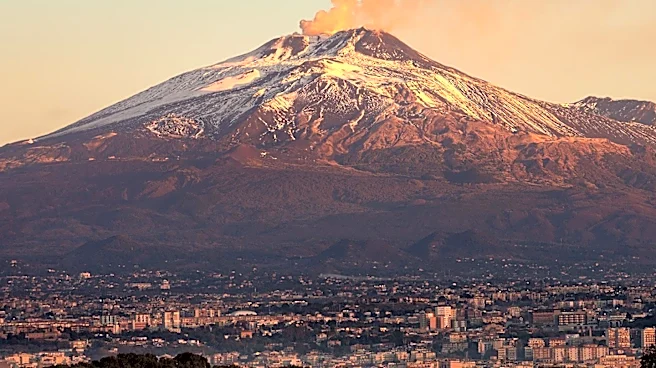
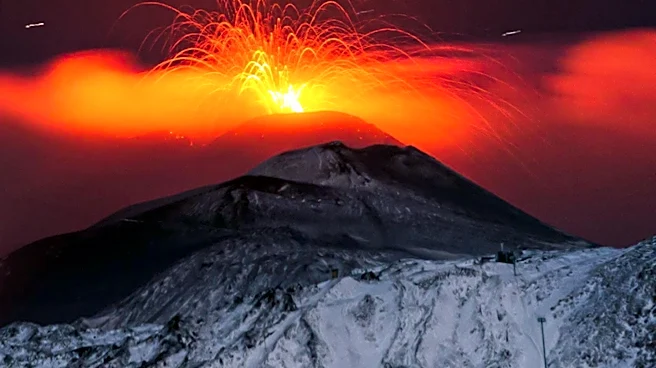
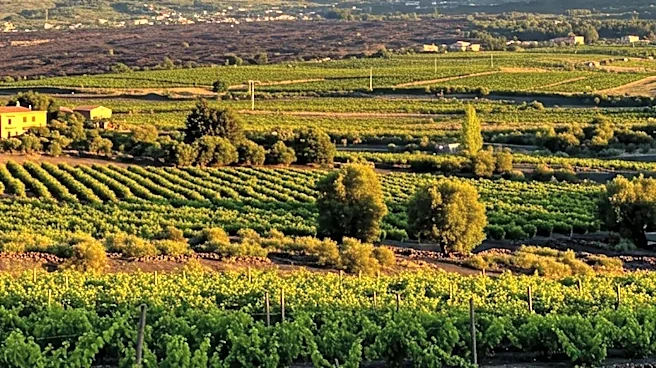
the man, who was then transported to a hospital by helicopter crew, but he was later declared dead by medical personnel. Authorities have not released his name, pending notification of next-of-kin. The area where the man was found, Rocca Capra, is approximately 4,600 feet up the mountain. This tragic event follows a period of prolonged volcanic activity on Mount Etna, which had led to the closure of certain areas to hikers and caused disruptions, including the temporary closure of Catania airport last week.
Why It's Important?
This incident underscores the inherent dangers associated with hiking in active volcanic regions, particularly when safety warnings and restricted access areas are in place. For U.S. citizens traveling abroad, it highlights the critical importance of adhering to local regulations and advisories, which are often implemented to protect public safety. The death of an American tourist in such circumstances can also serve as a somber reminder for travel agencies and tour operators to emphasize safety protocols and risk awareness to their clients. While volcanic activity itself is a known hazard on Mount Etna, authorities note that lightning strikes have historically caused more fatalities on the mountain than eruptions, emphasizing a less obvious but significant risk factor for visitors.
What's Next?
Italian authorities will likely continue their investigation into the circumstances surrounding the lightning strike, including how the tourist accessed the prohibited area. This incident may prompt a review of existing safety measures and enforcement on Mount Etna, potentially leading to increased signage, stricter patrols, or enhanced public awareness campaigns regarding the dangers of venturing into restricted zones. For the U.S. Embassy and consular services, the immediate next step involves assisting the family of the deceased with repatriation and other necessary arrangements. The event could also lead to renewed warnings from U.S. travel advisories for citizens planning trips to regions with similar natural hazards.
Beyond the Headlines
The death on Mount Etna brings to light the broader issue of risk assessment and personal responsibility in adventure tourism. While the allure of natural wonders like active volcanoes is strong, the incident highlights the fine line between seeking unique experiences and disregarding safety warnings. It also touches upon the challenges local authorities face in managing access to vast, dynamic natural environments, especially when dealing with international visitors who may not be fully aware of local dangers or regulations. The historical context that lightning strikes are more fatal than eruptions on Mount Etna adds a layer of complexity, suggesting that public perception of risk might be skewed towards the more dramatic volcanic events, overlooking other significant environmental hazards.