



What's Happening?
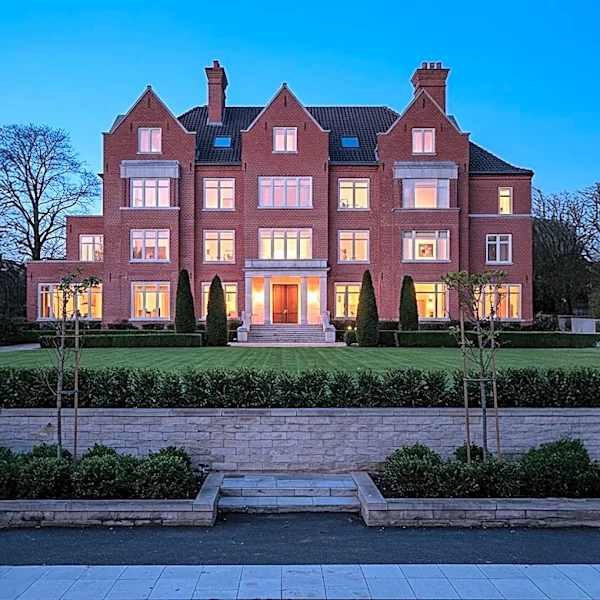
The Kennicott Glacier Lodge, located in the heart of the ghost town within Wrangell-St. Elias National Park and Preserve, offers a luxurious accommodation option for visitors. The lodge is designed as a replica of one of the historic copper-mining buildings,
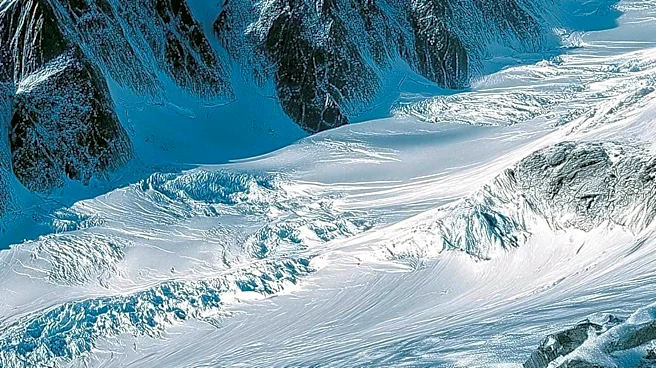
blending historical aesthetics with modern comfort. Surrounded by spruce trees and mountains, the property provides amenities such as a fireplace, home-cooked meals, and a deck that extends over the Kennicott Glacier. Guests have the option to choose from various room types, making it a notable destination for those exploring the McCarthy-Kennicott area of Alaska.
Why It's Important?
The Kennicott Glacier Lodge plays a significant role in supporting tourism within Wrangell-St. Elias National Park and Preserve, one of the largest and most remote national parks in the United States. By offering luxurious accommodations, it attracts a diverse range of visitors, including those seeking comfort amidst rugged wilderness. This type of lodging contributes to the local economy by providing employment and services, while also enhancing the visitor experience in a historically rich area. The lodge's design, replicating a historic copper-mining building, helps preserve and interpret the region's past, connecting guests with the area's industrial heritage. Its proximity to the Kennicott Glacier also highlights the natural wonders of Alaska, encouraging exploration and appreciation of the state's unique landscapes.
What's Next?
The Kennicott Glacier Lodge is expected to continue serving as a key lodging option for visitors to Wrangell-St. Elias National Park and Preserve. As interest in remote and wilderness tourism grows, lodges like Kennicott Glacier Lodge will likely see sustained demand. The lodge's commitment to providing a comfortable and historically resonant experience will be crucial for its continued success. Future developments might include further enhancements to guest services, expansion of guided tours, or increased focus on sustainable practices to minimize environmental impact within the national park. The lodge's role in the local community and its contribution to the park's tourism infrastructure will remain important for the region's economic and cultural vitality.
Beyond the Headlines
The existence of a luxurious lodge within a remote national park like Wrangell-St. Elias raises interesting questions about the balance between wilderness preservation and visitor accessibility. While such accommodations can provide economic benefits and draw attention to the park's natural beauty, they also necessitate infrastructure and services that can impact the pristine environment. The lodge's design, mimicking historic mining structures, subtly acknowledges the complex history of human interaction with this landscape, from resource extraction to conservation. This blend of history, luxury, and wilderness offers a unique lens through which to view the evolving relationship between humans and nature in protected areas, prompting discussions about responsible tourism, historical interpretation, and the long-term sustainability of such ventures in ecologically sensitive regions.