




What's Happening?
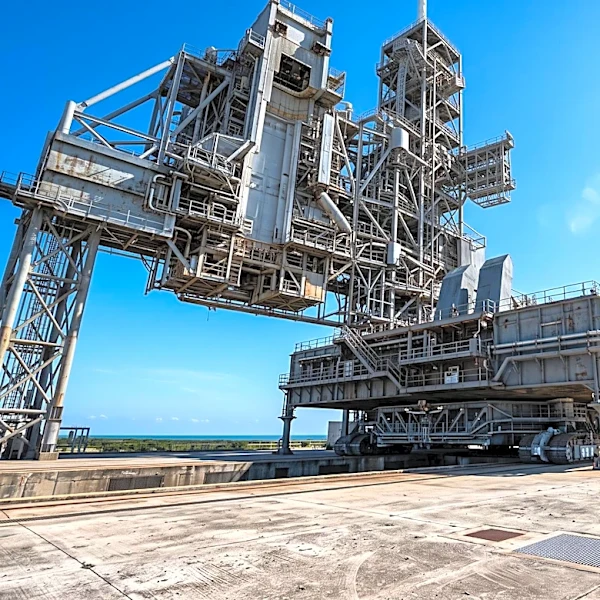
NASA has announced up to $10 billion in new contracts aimed at establishing a moon base for astronauts by 2032. The announcement, made during the agency's 'Max Power' air show event at Kennedy Space Center, includes a new $10 billion Commercial Lunar
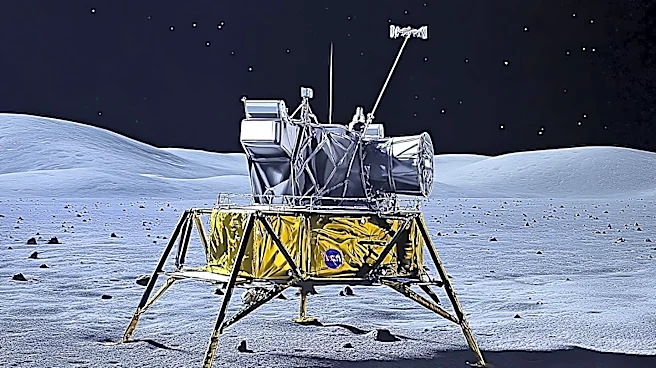
Payload Services (CLPS) framework, dubbed CLPS 2. Additionally, approximately $1.3 billion in funding has been allocated for the Venture-Class Acquisition of Dedicated and Rideshare (VADR) program, and plans for a nuclear-powered 'PROMISE' rover on the moon were revealed. Eight companies, including Blue Origin, SpaceX, and Lockheed Martin, have been selected to compete for the CLPS 2 missions. The existing CLPS contract ceiling has also been increased from $2.6 billion to $4.2 billion to support 'Phase One' Moon Base objectives. These initiatives are part of NASA's broader strategy to build infrastructure on the moon before Artemis astronauts return to its surface.
Why It's Important?
These significant contract awards underscore NASA's accelerated commitment to lunar exploration and the establishment of a sustainable human presence on the Moon. The $10 billion CLPS 2 framework is crucial for fostering competition and innovation among commercial space companies, which will drive down costs and increase the efficiency of lunar cargo delivery. The development of the nuclear-powered PROMISE rover signifies a leap in lunar scientific exploration, particularly in the search for volatiles and water ice at the lunar south pole, which are vital resources for future long-duration missions. Furthermore, the VADR program aims to demonstrate commercial launch and orbital transportation capabilities, including cargo transfers and navigation tests, which are essential for building a robust lunar supply chain. This investment will stimulate growth in the U.S. commercial space sector, creating jobs and advancing technological capabilities that have broader applications beyond space exploration.
What's Next?
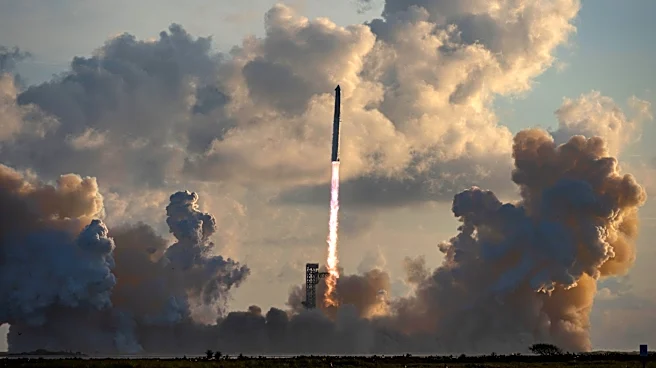
NASA's Phase One Moon Base strategy, which focuses on robotic exploration, infrastructure demonstrations, and commercial deliveries, is scheduled to continue through 2029. The newly awarded contracts will facilitate the deployment of various lunar assets, including the PROMISE rover, which is slated to begin exploring the lunar south pole in late 2028. SpaceX is also contracted to launch communication satellites aboard its Starship megarocket in 2028 to establish a future lunar communications network. Phase Two of the Moon Base strategy, running from 2029 to 2032, will focus on further infrastructure build-out, leading to the operational phase of the moon base in Phase 3. The selected companies will now begin developing and executing their respective missions, with ongoing oversight and coordination from NASA to ensure the successful realization of these ambitious lunar objectives.
Beyond the Headlines
The substantial investment in lunar infrastructure signals a long-term strategic shift in U.S. space policy, moving beyond short-term missions to establishing a permanent human presence on the Moon. This endeavor has profound implications for international collaboration in space, as the U.S. seeks to lead in lunar exploration and resource utilization. The development of a nuclear-powered rover highlights the increasing reliance on advanced technologies for sustained operations in harsh extraterrestrial environments, potentially paving the way for similar applications on Mars and beyond. Moreover, the emphasis on commercial partnerships reflects a broader trend of privatizing aspects of space exploration, which could reshape the global space economy and foster new industries. The ethical and legal frameworks for lunar resource extraction and territorial claims will also become increasingly relevant as these missions progress, necessitating international dialogue and cooperation.