





What's Happening?
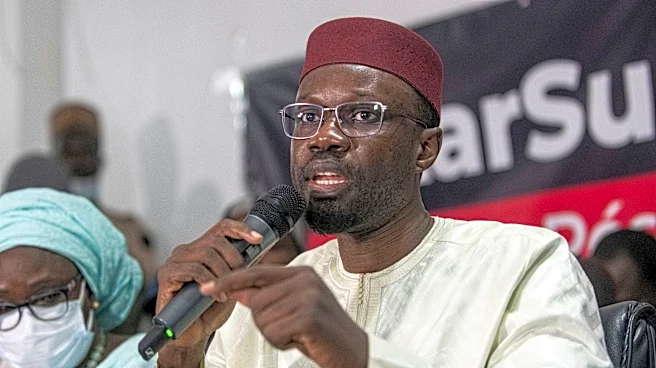
The Senegalese government has implemented a ban on non-essential foreign trips for government ministers as a response to the escalating energy crisis linked to the ongoing Iran war. Prime Minister Ousmane Sonko announced the measure as part of broader
cost-saving efforts, citing the significant impact of rising oil prices on the country's economy. Senegal, which relies heavily on imported petroleum products, has been particularly affected by the closure of the Strait of Hormuz, a critical chokepoint for global oil shipments. The price of crude oil has nearly doubled from the initial budget forecast of $62 per barrel, prompting the government to take drastic steps to limit public expenditure. Sonko emphasized the necessity of these measures, stating that no minister would be allowed to travel abroad unless the mission was deemed essential.
Why It's Important?
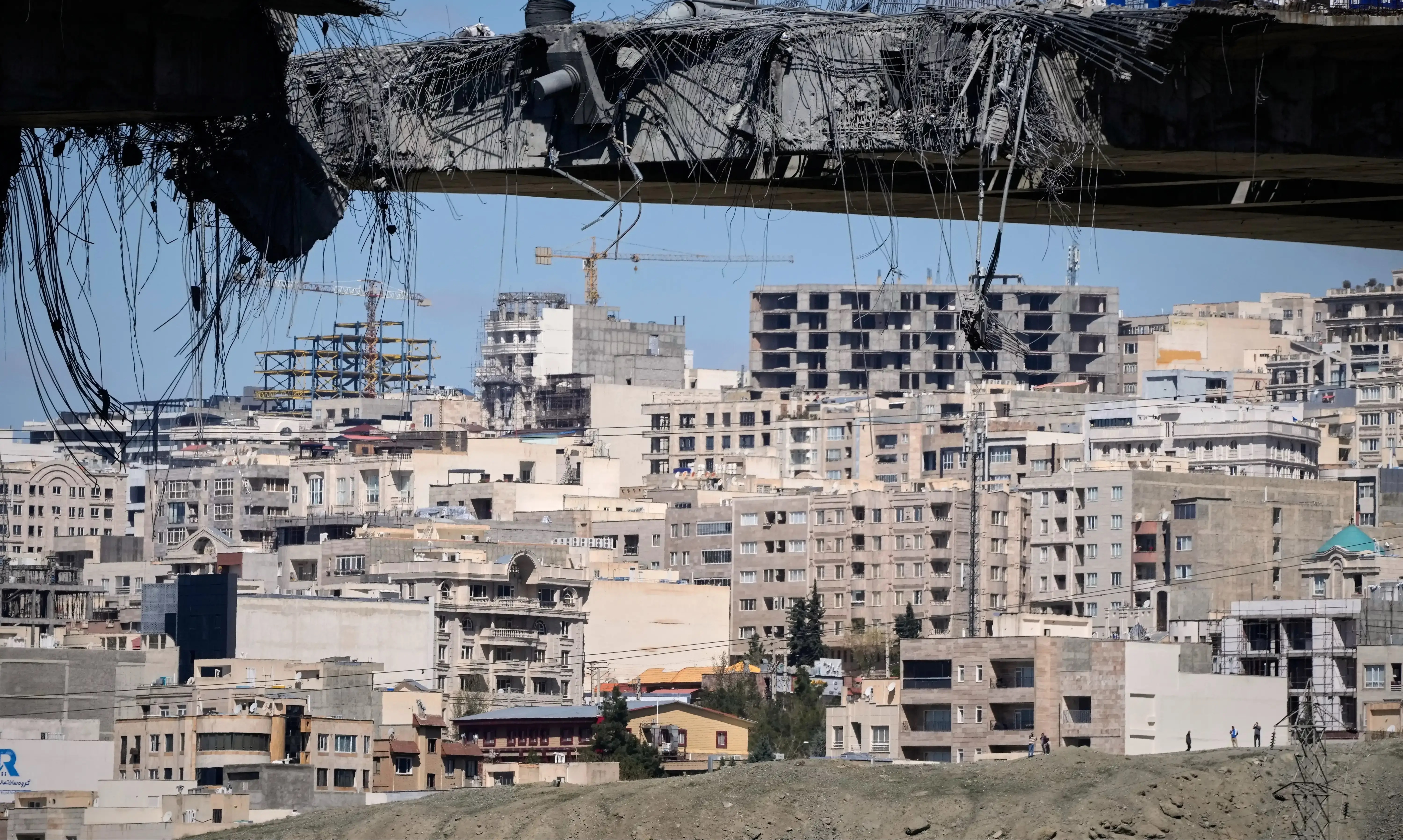
The decision to restrict foreign travel for Senegalese officials underscores the severe economic challenges faced by countries dependent on oil imports amid geopolitical conflicts. The Iran war has disrupted global oil supply chains, leading to increased fuel prices that exacerbate existing economic hardships in Senegal and other African nations. This situation highlights the vulnerability of economies reliant on external energy sources and the broader implications of international conflicts on domestic policies. The travel restrictions are a direct response to the need for fiscal prudence, aiming to mitigate the impact of soaring oil prices on government budgets and the daily lives of citizens.
What's Next?
Senegal's government is likely to continue monitoring the situation closely, adjusting its policies as necessary to manage the economic fallout from the Iran war. The focus will remain on maintaining essential government functions while minimizing non-critical expenditures. Other African nations facing similar challenges may adopt comparable measures, potentially leading to a regional shift in government spending priorities. The international community's response to the Iran war and its impact on global oil markets will be crucial in determining future economic stability for oil-importing countries.
Beyond the Headlines
The travel restrictions in Senegal reflect a broader trend of governments reassessing their fiscal policies in light of global geopolitical tensions. This situation may prompt discussions on energy independence and the need for diversified energy sources to reduce reliance on volatile international markets. Additionally, the economic strain caused by rising fuel prices could lead to increased social unrest, as citizens face higher living costs and reduced access to essential services. The long-term implications of these developments may include shifts in international alliances and trade relationships as countries seek more stable and reliable energy partners.