




What's Happening?
Dong Nai Province in Vietnam is making significant strides in organic agriculture, as outlined by the Dong Nai Provincial Party Congress for the 2020-2025 term. The province has introduced various mechanisms to attract business investment and support
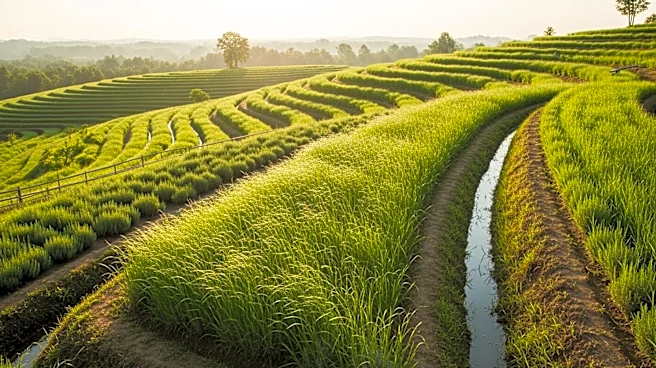
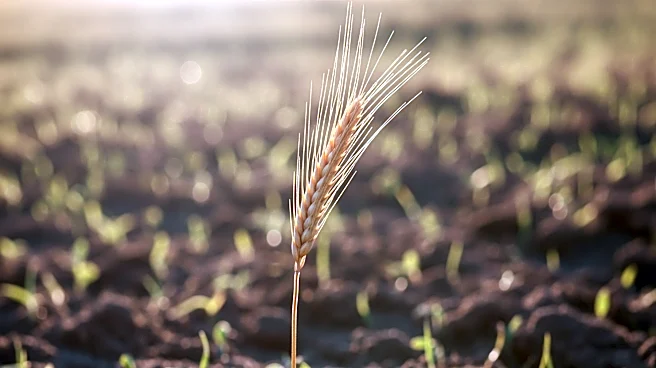
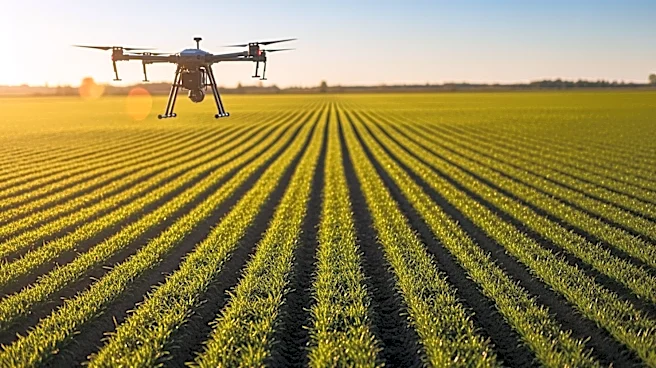
farmers in advancing organic agriculture. This includes expanding organic farming models across key products such as rice, vegetables, pepper, fruit trees, pigs, and poultry. The organic rice cultivation model in Song Ray Commune has expanded to around 20 hectares, following a 'five no's' standard that excludes herbicides, preservatives, chemical pesticides, toxic residues, and growth stimulants. The province has also implemented models applying biological products to reduce reliance on chemical inputs, expanding organic production to over 1,000 hectares of fruit trees and vegetables. Businesses like Que Lam Group Joint Stock Company are leading the development of organic value chains, focusing on biotechnology and environmentally friendly technologies.
Why It's Important?
The development of organic agriculture in Dong Nai Province is crucial for several reasons. It represents a shift towards sustainable farming practices that protect the environment and improve the health of both farmers and consumers. By reducing reliance on chemical inputs, the province is promoting safer agricultural products and enhancing food security. The initiative also supports economic growth by creating new market opportunities for organic products, which can be sold at higher prices. This transition is likely to increase farmers' incomes and contribute to the overall economic development of the region. Furthermore, the involvement of businesses in developing organic value chains ensures that farmers have access to high-quality inputs and technical support, facilitating the adoption of organic practices.
What's Next?
Dong Nai Province plans to continue expanding its organic agriculture initiatives by establishing more organic agriculture zones and attracting further business investment. The province aims to build sustainable organic value chains that can support long-term economic growth. As more farmers adopt organic practices, the province is expected to see an increase in the production and distribution of organic products. This could lead to greater market penetration and consumer acceptance of organic products, both locally and internationally. The success of these initiatives may also serve as a model for other regions looking to transition to organic agriculture.
Beyond the Headlines
The shift towards organic agriculture in Dong Nai Province highlights broader trends in global agriculture, where there is increasing demand for sustainable and environmentally friendly farming practices. This movement is driven by growing consumer awareness of health and environmental issues, as well as the need to address climate change. The development of organic agriculture in Dong Nai could have long-term implications for the region's agricultural policies and practices, potentially influencing other provinces to adopt similar approaches. Additionally, the focus on biotechnology and environmentally friendly technologies could spur innovation and research in the agricultural sector, leading to further advancements in sustainable farming.