







What's Happening?
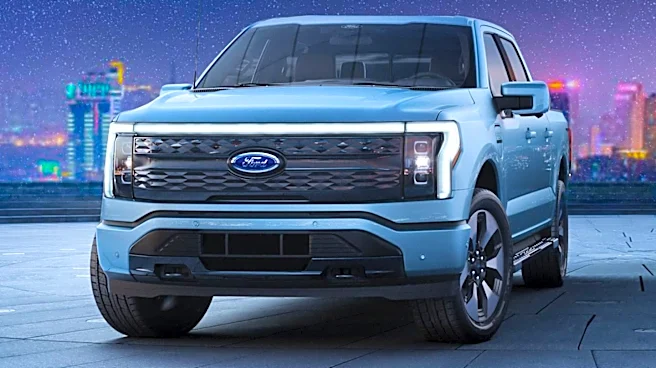
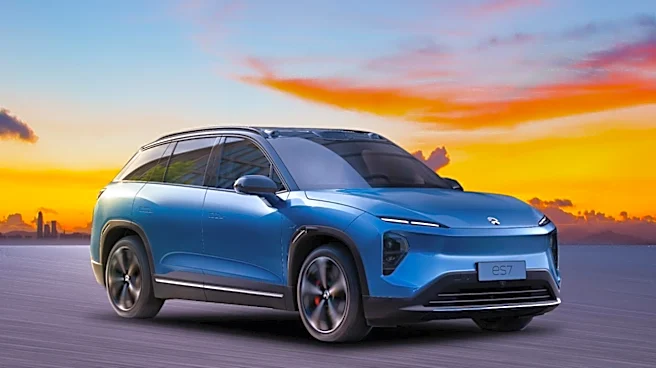
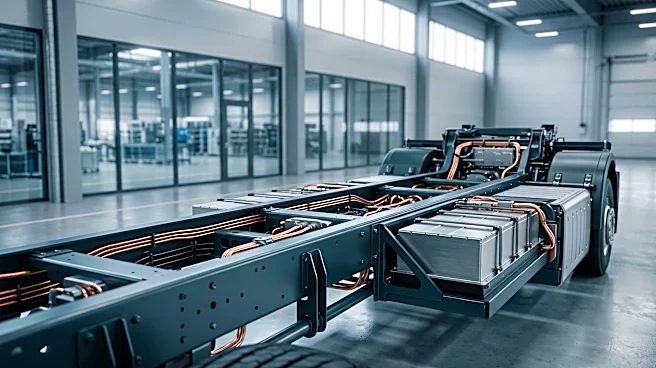
The automotive industry is undergoing a significant transformation, primarily driven by the rapid advancements in electric vehicles (EVs) and artificial intelligence (AI). EVs are gaining popularity due to their environmental benefits, lower maintenance
costs, and improved performance, with battery technology and charging infrastructure continuously improving. Concurrently, AI is revolutionizing vehicle operations by enhancing driving experiences, safety, and personalization. AI-powered systems analyze road conditions, identify vehicles, recognize traffic signs, and monitor driver behavior. Advanced Driver Assistance Systems (ADAS), utilizing cameras, sensors, and radar, are becoming standard, offering features like automatic emergency braking, lane departure warning, and adaptive cruise control. Connected cars, integrating internet access, GPS, and smartphone connectivity, provide real-time traffic updates, remote monitoring, and over-the-air software updates. These technological shifts are reshaping how vehicles are purchased, driven, and maintained, moving towards a smarter, safer, and more environmentally friendly future.
Why It's Important?
The dual forces of electric vehicles and artificial intelligence are profoundly impacting the U.S. automotive industry, with significant implications for its economy, workforce, and infrastructure. The shift to EVs is driving massive investments in battery manufacturing, charging networks, and renewable energy sources, creating new jobs and stimulating economic growth in related sectors. However, it also poses challenges for traditional internal combustion engine manufacturing and the fossil fuel industry. The integration of AI and ADAS technologies is enhancing vehicle safety and efficiency, potentially reducing accidents and improving traffic flow, but also raising complex questions about data privacy, cybersecurity, and liability in autonomous systems. For U.S. consumers, these advancements promise safer, more convenient, and potentially more affordable transportation options in the long run, but also require adaptation to new technologies and infrastructure. The U.S. automotive sector's ability to lead in these areas will determine its global competitiveness and its role in shaping the future of mobility.
What's Next?
The automotive industry is poised for continued rapid evolution, with further advancements expected in EV battery technology, charging infrastructure, and AI capabilities. We can anticipate more sophisticated autonomous driving systems, potentially leading to widespread adoption of self-driving vehicles in controlled environments. Automakers will likely increase their focus on sustainable practices, including battery recycling and the use of lightweight, eco-friendly materials. The development of smart city infrastructure will also play a crucial role, enabling connected cars to communicate with traffic signals and other vehicles for optimized traffic management. Regulatory bodies will face the challenge of developing comprehensive frameworks for autonomous vehicles, data security, and environmental standards. Consumers can expect a wider range of EV models, more integrated in-car AI features, and potentially new ownership models like subscription services for autonomous fleets. The industry will also need to address challenges such as vehicle affordability, ensuring that these advanced technologies are accessible to a broad consumer base.
Beyond the Headlines
The transformation driven by EVs and AI extends far beyond the vehicles themselves, signaling a fundamental shift in societal infrastructure and human interaction with technology. The widespread adoption of EVs could significantly reduce urban air pollution and reliance on fossil fuels, contributing to public health and climate change mitigation. However, it also necessitates a complete overhaul of energy grids and raises ethical concerns about the sourcing of raw materials for batteries. The rise of AI and autonomous vehicles introduces profound ethical dilemmas regarding decision-making in accident scenarios, the nature of human-machine interaction, and the potential for job displacement in transportation sectors. Furthermore, the increasing connectivity of cars creates new vulnerabilities for cyberattacks and raises critical questions about data ownership and privacy. These developments will not only redefine personal mobility but also reshape urban planning, public policy, and the very fabric of daily life, demanding careful consideration of their long-term social, ethical, and environmental implications.