






What's Happening?
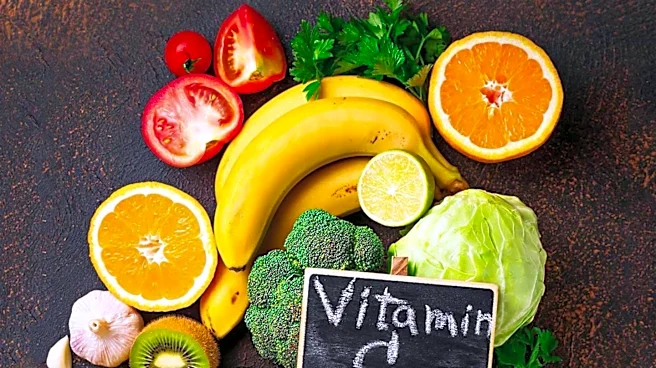
Wound healing relies heavily on specific nutrients, primarily protein, zinc, and vitamin C, according to medical insights. Protein is essential for building new tissue and collagen, while zinc is crucial for cell division and immune function, and vitamin C is a vital
cofactor for stable collagen formation. A healing wound is a metabolically demanding process, requiring increased energy and nutrient intake. Observational studies consistently show that malnourished surgical patients experience higher rates of infection, wound breakdown, and longer hospital stays. While correcting deficiencies in these nutrients significantly improves healing, evidence suggests that adding extra amounts to an already well-nourished body does not necessarily accelerate recovery. The World Health Organization (WHO) and the NIH Office of Dietary Supplements emphasize the importance of addressing nutritional shortfalls, particularly before major surgeries.
Why It's Important?
This information is critical for public health and healthcare practices in the U.S., especially given the increasing number of elective surgeries and the aging population. Understanding the precise role of nutrition in wound healing can lead to improved patient outcomes, reduced healthcare costs associated with complications, and shorter hospital stays. For individuals, it empowers them to make informed dietary choices before and after medical procedures. For healthcare providers, it reinforces the need for nutritional screening and intervention, particularly for at-risk groups like older adults, those with chronic diseases, or individuals on restrictive diets. This knowledge can also help combat misinformation about 'superfoods' or excessive supplementation, promoting evidence-based nutritional practices.
What's Next?
Healthcare providers are increasingly integrating nutritional assessments into preoperative care, with dietitians playing a more prominent role in patient preparation. The focus will likely continue to be on identifying and correcting nutrient deficiencies rather than promoting indiscriminate supplementation. Educational campaigns for both the public and medical professionals will be crucial to disseminate accurate information about wound healing nutrition. Further research may explore personalized nutritional strategies based on individual metabolic needs and genetic factors, but for now, the emphasis remains on adequate intake of essential nutrients through a balanced diet. The trend towards prehabilitation programs, which include nutritional optimization, is expected to grow.
Beyond the Headlines
The emphasis on foundational nutrition for wound healing highlights a broader shift towards holistic patient care, recognizing the interconnectedness of diet, immunity, and recovery. However, it also exposes disparities in nutritional access and education, as vulnerable populations may struggle to afford or access nutrient-rich foods. There's an ethical imperative to ensure that nutritional guidance is culturally sensitive and accessible to all. Furthermore, the challenge lies in translating complex nutritional science into actionable advice that avoids both oversimplification and overwhelming detail, empowering individuals to make sustainable dietary changes without falling prey to marketing hype or restrictive fads. This underscores the need for trusted, evidence-based sources of health information.