



What's Happening?
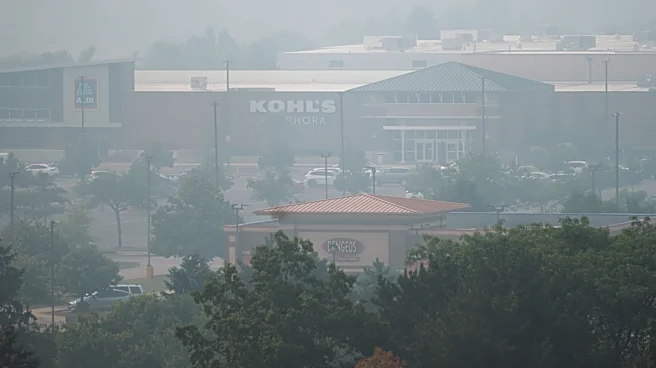
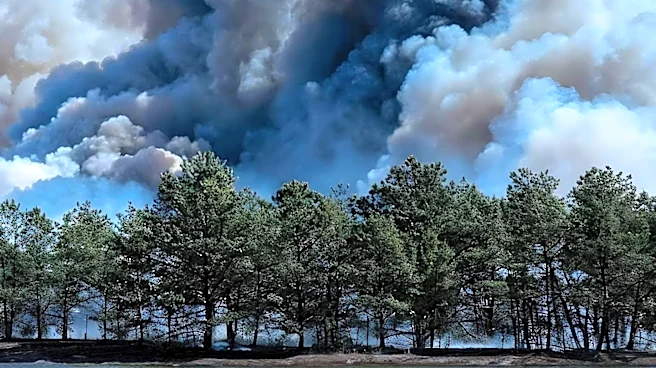
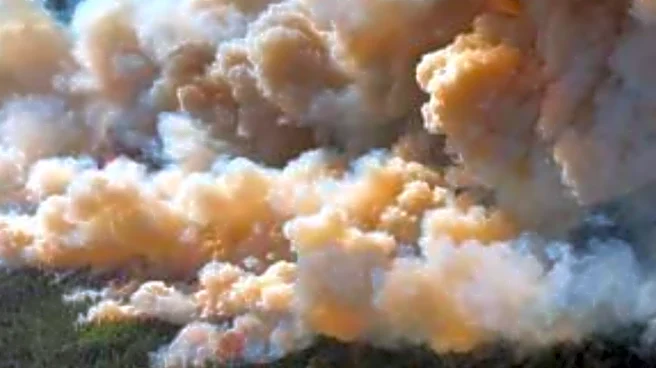
Chicago has been reported to have the worst air quality among major cities globally, with a composite air quality index (AQI) of 402, as per data from IQAir. This level is categorized as 'hazardous' by experts. The poor air quality is attributed to smoke
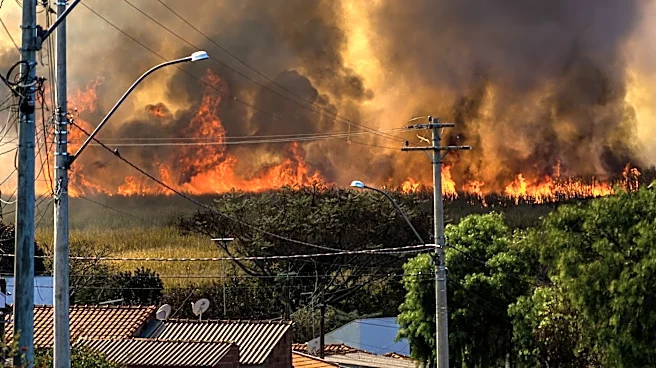
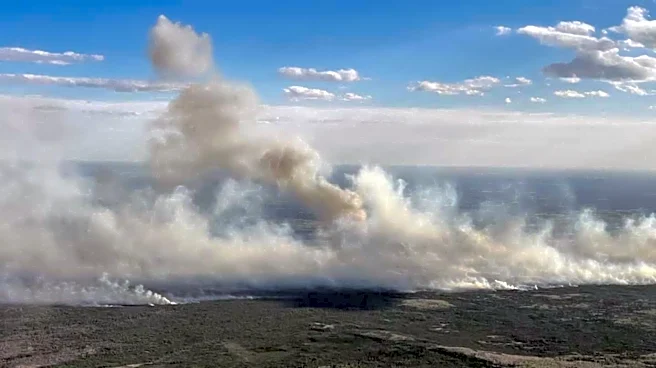
from wildfires in Canada and northern Minnesota, which has spread across the Midwest, affecting cities like Detroit and Minneapolis as well. The National Weather Service has extended an air quality alert for the Chicago area, advising residents to stay indoors. The Illinois Environmental Protection Agency has also issued warnings, leading to the cancellation of events such as the Chicago Fire soccer game against the Vancouver Whitecaps. Forecasts suggest that the smoke may begin to clear by Friday afternoon, but air quality concerns will persist.
Why It's Important?
The hazardous air quality in Chicago poses significant health risks to its residents, particularly those with respiratory conditions, the elderly, and children. The situation underscores the broader impact of climate-related events, such as wildfires, on urban environments. The economic implications are also notable, as event cancellations and reduced outdoor activities can affect local businesses and tourism. This incident highlights the need for robust public health responses and infrastructure to manage air quality issues, which are becoming increasingly common due to climate change. The situation also raises awareness about the interconnectedness of environmental issues across regions, as fires in distant areas can have direct consequences on urban centers.
What's Next?
As the smoke is expected to start dissipating by Friday afternoon, authorities will continue to monitor air quality levels closely. Residents are advised to stay updated through local news and weather services. The city may need to implement additional public health measures if air quality does not improve as anticipated. Long-term, this event may prompt discussions on improving air quality monitoring and response strategies, as well as addressing the root causes of increased wildfire incidents. Stakeholders, including environmental agencies and local governments, may need to collaborate on policies to mitigate such occurrences in the future.