




What's Happening?
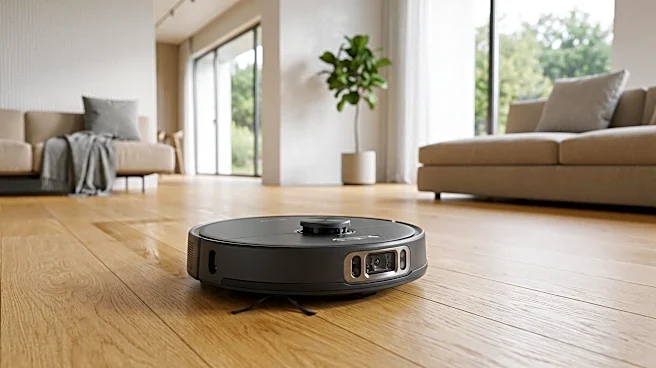
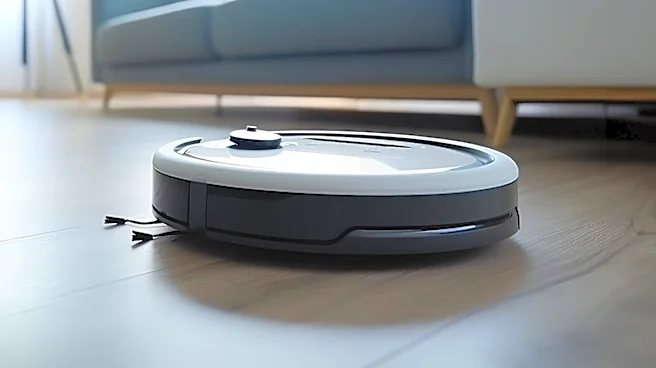
An open-source project, 'epg-pers/tapo-rv30-ha,' has developed a local-only Home Assistant integration for TP-Link Tapo robot vacuums, including models like the RV20, RV30 Max Plus, RV30C, and RV50. This integration allows users to control their Tapo robot vacuums directly
through Home Assistant without relying on cloud services or additional downloads. Key features include a live map card, a sidebar page for comprehensive control, remote driving capabilities, room and zone management, and scheduling. The integration supports firmware 1.2 or newer (TPAP) and automatically detects older AES models (RV30C). It also offers advanced functionalities not available in the official Tapo app, such as map backup and recovery, per-room 'last cleaned' tracking, and a smart cleaning planner that optimizes cleaning based on occupancy and room freshness.
Why It's Important?
This local Home Assistant integration is significant for U.S. consumers who prioritize privacy, data security, and greater control over their smart home devices. By enabling local-only control, it reduces reliance on cloud servers, mitigating potential privacy risks and ensuring functionality even without an internet connection. For smart home enthusiasts, it offers a more integrated and customizable experience within the Home Assistant ecosystem, allowing for complex automations and personalized cleaning routines that go beyond the capabilities of the manufacturer's app. This development also empowers users to maintain control over their device's data and operations, fostering a more robust and resilient smart home environment. The enhanced features, such as map backup and advanced scheduling, provide practical benefits that improve the overall utility and longevity of Tapo robot vacuums.
What's Next?
The continued development and adoption of this Home Assistant integration will likely depend on community contributions and user feedback. As more users integrate their Tapo robot vacuums with Home Assistant, the project may see further enhancements and expanded compatibility with new Tapo models. TP-Link may observe the success of such community-driven integrations, potentially influencing their future product development to offer more local control options or better integration with third-party smart home platforms. This trend could also encourage other smart appliance manufacturers to consider more open and privacy-focused approaches to device control, responding to growing consumer demand for greater autonomy over their smart home ecosystems. The project's emphasis on local control could also inspire similar initiatives for other brands and device categories.
Beyond the Headlines
The rise of local-only control solutions for smart home devices, exemplified by this Tapo integration, highlights a growing tension between convenience offered by cloud-based services and the desire for privacy and control among consumers. This movement reflects a broader shift towards 'decentralized' smart homes, where users have more direct ownership of their data and device functionality. It also underscores the power of open-source communities in developing solutions that address gaps in commercial offerings. The ability to back up maps and implement advanced cleaning logic locally could lead to more efficient and personalized home maintenance, reducing reliance on manufacturer-specific algorithms and potentially extending the useful life of devices. This trend could foster a more resilient and user-centric smart home landscape, where interoperability and user control are paramount.