



What's Happening?
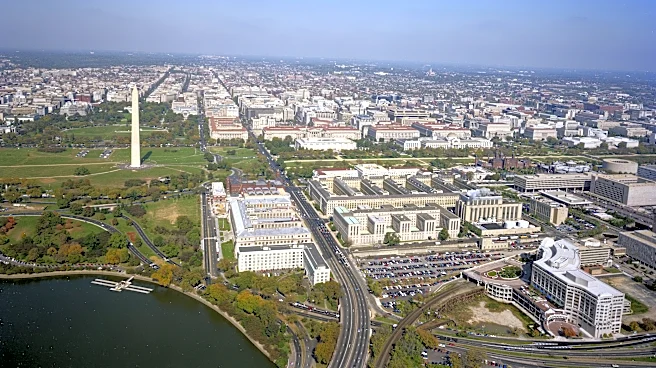
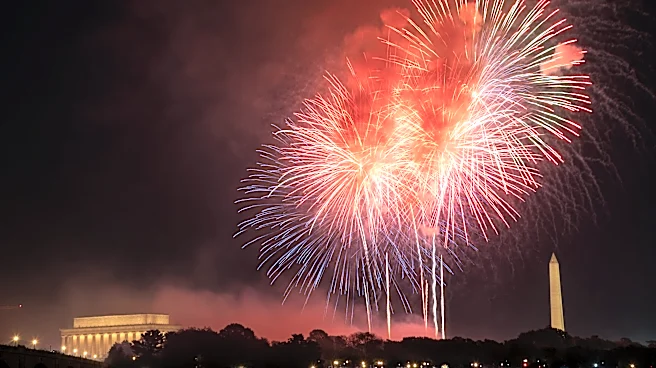
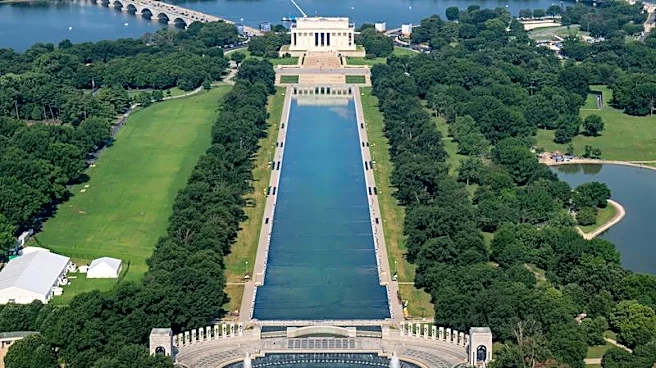
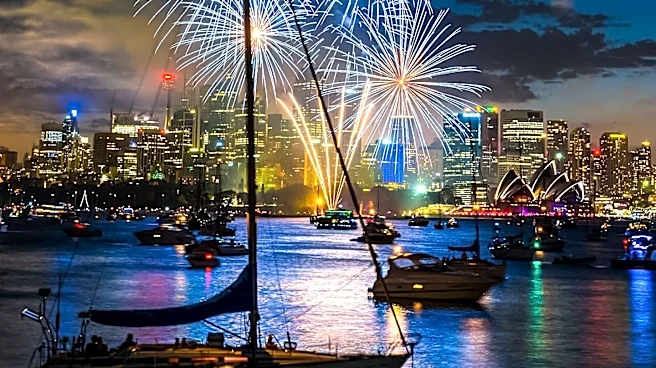
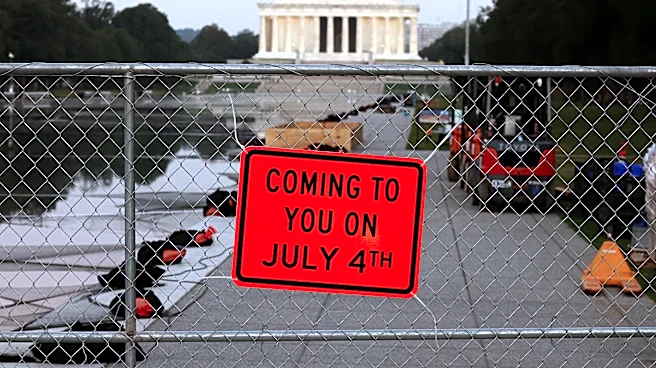
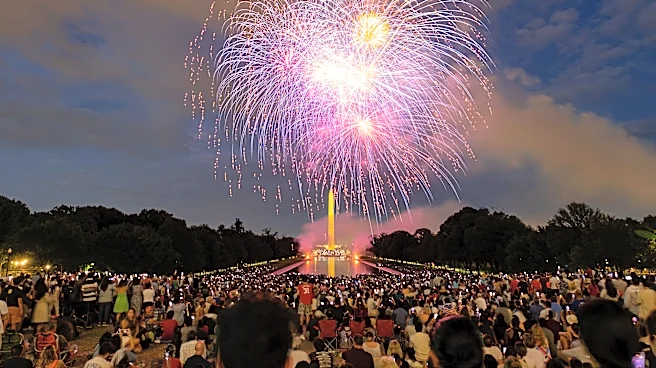
The National Park Service is planning an unprecedented fireworks display in Washington, DC, to celebrate the nation's 250th birthday. The event will feature over 850,000 fireworks, a significant increase from the previous year's 7,000. Internal documents
from the National Park Service indicate that this large-scale display could lead to hazardous air quality levels around the National Mall. A draft air-quality analysis reviewed by Politico advises people to avoid prolonged exposure to the air and suggests the use of N95 masks outdoors. Despite these concerns, there are no current plans for federal agencies to recommend masking, and the Environmental Protection Agency (EPA) has stated that monitoring the fireworks' impact is not within its responsibilities. The event coincides with a heat wave in the area, which is expected to exacerbate the already poor air quality by slowing the natural clearing of the air.
Why It's Important?
The planned fireworks display in Washington, DC, highlights the tension between large public celebrations and environmental health concerns. The potential for hazardous air quality poses a risk to public health, particularly for individuals with respiratory issues or other vulnerabilities. This situation underscores the need for careful consideration of environmental impacts in planning large-scale public events. The lack of coordinated federal guidance on protective measures, such as masking, raises questions about public safety protocols during such events. The decision not to monitor the environmental impact of the fireworks could have long-term implications for public health policy and environmental management in urban areas.
What's Next?
As the event approaches, it remains to be seen whether federal agencies will issue any public health advisories or take measures to mitigate the potential air quality issues. The response from local government and health organizations could influence future policies regarding large public events and their environmental impact. Public reaction to the event and any resulting health issues could prompt a reevaluation of how such celebrations are conducted, potentially leading to more stringent environmental assessments and safety protocols in the future.