







What's Happening?
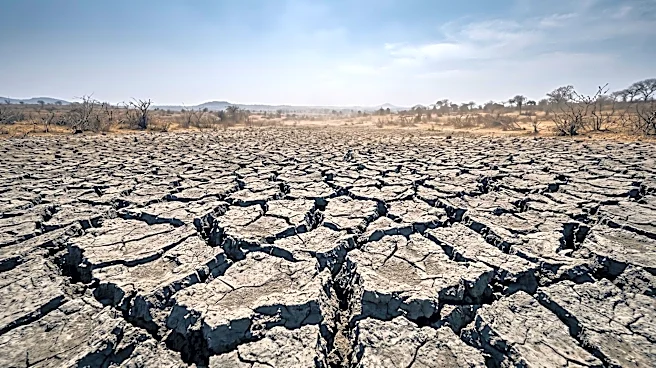
The Great Famine, which occurred in the Madras Presidency from 1876 to 1878, resulted in the deaths of up to 8.2 million people, primarily in southern India. This event is recognized as one of the deadliest famines in India's recorded history. During
the autumn of 1876, a rumor of abundant food in Madras city spread among drought-stricken villages, leading many hungry individuals to travel to the urban center. By November, crowds had gathered on the city's beach, surviving by collecting spilled grains from cargo, as journalist William Digby recounted. Many of these individuals never returned to their homes. The famine's devastating impact continued until the rains returned in 1878. Despite the immense loss of life, which exceeded the combined British and American casualties in World War II by more than six times, the event has largely faded from collective memory, as noted by B. Jeyamohan in his novel 'White Elephant'.
Why It's Important?
The Great Famine of Madras highlights the severe consequences of drought and food scarcity, particularly in regions with vulnerable populations and inadequate relief systems. The scale of the death toll underscores the critical importance of effective disaster response and food security measures. The historical amnesia surrounding such a catastrophic event also points to broader issues of historical narrative and the selective remembrance of past tragedies. For contemporary societies, this serves as a stark reminder of the potential for widespread human suffering when environmental challenges intersect with socio-economic vulnerabilities. Understanding such historical events can inform current strategies for humanitarian aid, agricultural resilience, and international cooperation in addressing global food crises, emphasizing the need for proactive interventions rather than reactive responses.
What's Next?
While the Great Famine of Madras is a historical event, its lessons remain relevant for future preparedness. The ongoing discussions around climate change and its potential impact on global food systems suggest that similar challenges could arise. International organizations and national governments continue to develop early warning systems and disaster relief protocols to prevent such widespread loss of life. The focus is on improving agricultural practices, enhancing food distribution networks, and building resilient communities capable of withstanding environmental shocks. Continued research into historical famines also helps in understanding the complex interplay of environmental, political, and social factors that contribute to such catastrophes, guiding future policy and intervention strategies.
Beyond the Headlines
The disappearance of the Great Famine from collective memory, despite its immense human cost, raises profound questions about historical accountability and the construction of national narratives. The journalist William Digby's accounts and B. Jeyamohan's observations suggest a deliberate or unconscious process of forgetting, which can have long-term implications for how societies confront past injustices and prepare for future crises. This historical oversight can perpetuate a lack of urgency in addressing systemic vulnerabilities that contribute to famine. Furthermore, the famine's impact on the social fabric and demographic landscape of southern India would have been profound, influencing generations. Examining such historical events through a critical lens can foster a more comprehensive understanding of colonial legacies and their lasting effects on global inequalities and development challenges.