


What's Happening?
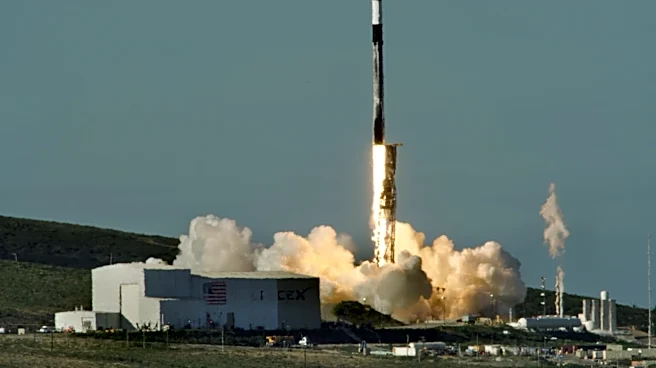
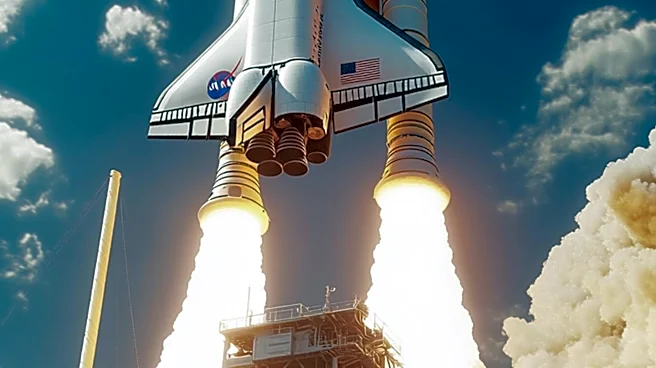
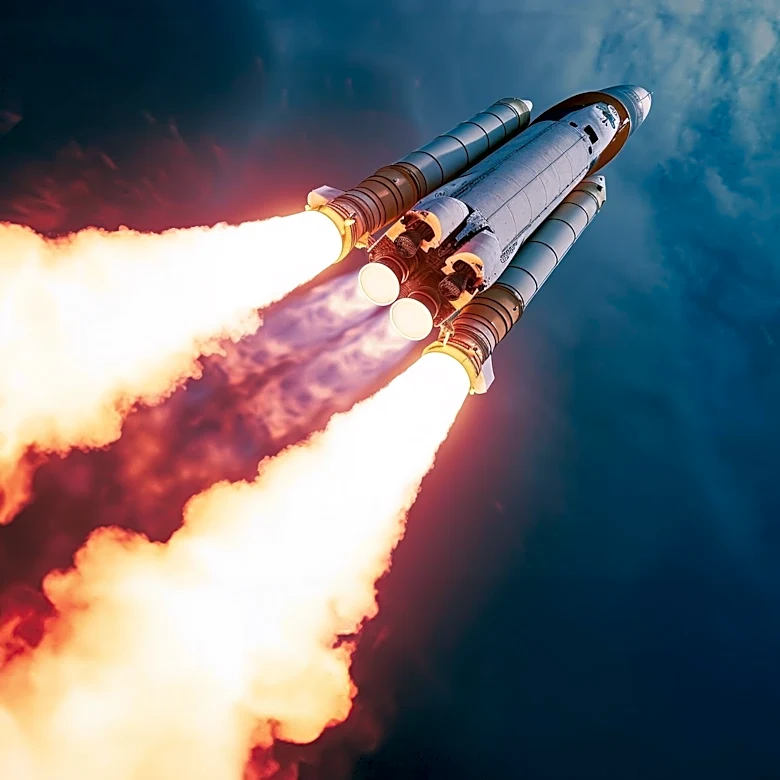
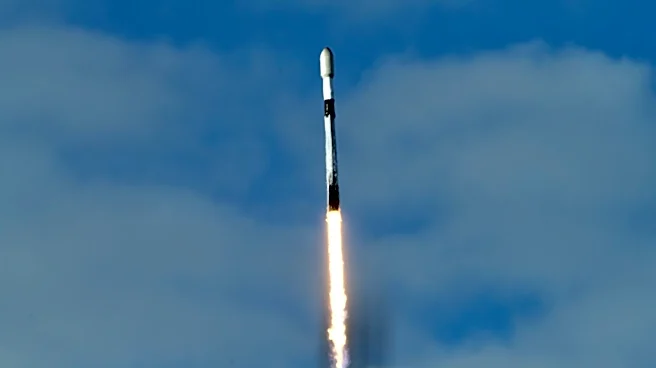
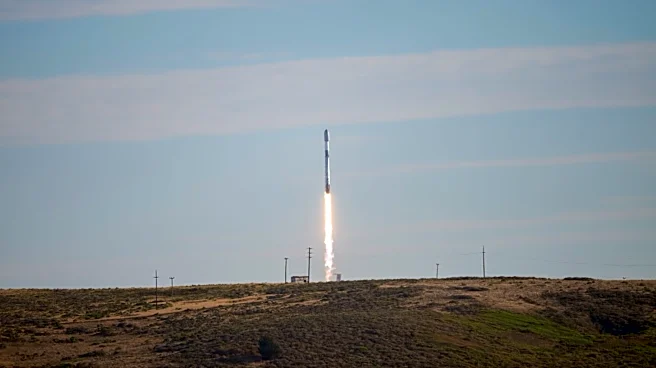
NASA's choice of launch sites is heavily influenced by physics, particularly the need to overcome Earth's gravity with minimal fuel. The agency often launches from locations like Cape Canaveral, Florida, which is close to the equator, to take advantage
of the Earth's rotational speed. This location provides a 'head start' by adding to the rocket's velocity, reducing the fuel needed to reach orbit. The Tsiolkovsky rocket equation plays a crucial role in determining the fuel-to-payload ratio, highlighting the importance of minimizing spacecraft weight. While launching from mountain tops could theoretically reduce atmospheric pressure and increase engine efficiency, the logistical challenges and costs outweigh the benefits.
Why It's Important?
The strategic selection of launch sites is vital for optimizing fuel efficiency and reducing costs in space missions. By launching near the equator, NASA can maximize the payload capacity of its rockets, which is crucial for missions requiring heavy scientific equipment or long-duration travel. This approach not only saves money but also enhances the feasibility of complex missions, such as those involving the deployment of large satellites or interplanetary probes. Understanding these logistical and physical considerations is essential for future advancements in space exploration and the development of more efficient launch technologies.
Beyond the Headlines
The choice of launch sites also reflects broader geopolitical and economic considerations. Launching from equatorial regions can be advantageous for international collaborations, as seen with the European Space Agency's use of the Guiana Space Center. However, the need to balance technical benefits with logistical feasibility often leads to compromises, such as launching from sites that are not at the equator but still offer some advantages. This dynamic highlights the complex interplay between science, engineering, and international cooperation in the pursuit of space exploration.