







What's Happening?
Iran has sent a response to a U.S. proposal aimed at ending a two-month-long conflict in the region, as reported by Iran's IRNA news agency. The response was delivered to Pakistan, which is acting as a mediator in the negotiations. The current phase of
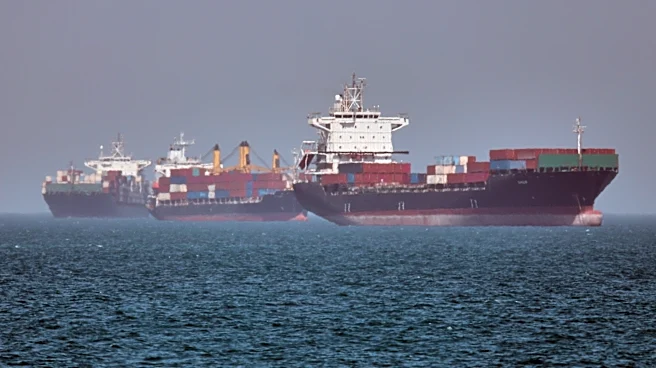
discussions is focused on achieving a cessation of hostilities. The negotiations also aim to establish a temporary memorandum of understanding to halt the conflict and allow traffic through the Strait of Hormuz. This is part of broader efforts to address long-standing issues, including Iran's nuclear program.
Why It's Important?
The response from Iran is a critical step in diplomatic efforts to resolve ongoing regional tensions that have significant implications for global oil markets and regional stability. The Strait of Hormuz is a vital passage for global oil shipments, and any disruption could have severe economic consequences. Successful negotiations could lead to a reduction in hostilities, benefiting regional security and international trade. However, the talks must also address complex issues like Iran's nuclear ambitions, which have been a point of contention with the U.S. and its allies.
What's Next?
The next steps involve further negotiations to solidify a temporary ceasefire and potentially pave the way for a more comprehensive agreement. The involvement of mediators like Pakistan suggests a multilateral approach to resolving the conflict. The outcome of these talks could influence future U.S.-Iran relations and impact regional alliances. Stakeholders, including global oil markets and regional governments, will be closely monitoring the progress of these negotiations.