








What's Happening?
Researchers from the University of Surrey and the University of Oxford have discovered a new inflammatory mechanism involving the protein inducible nitric oxide synthase (iNOS). Traditionally known for producing nitric oxide during inflammation, iNOS also
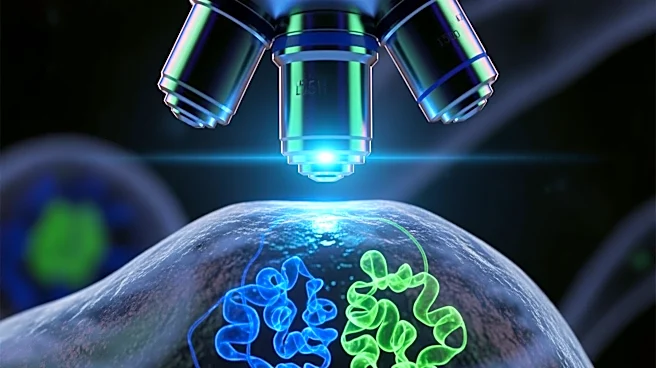
binds to the protein IRG1 inside mitochondria, blocking the production of itaconate, a metabolite that regulates inflammation. This finding challenges the assumption that iNOS primarily influences immune cell behavior through nitric oxide production. The study, published in Nature Metabolism, suggests that targeting the physical interaction between iNOS and IRG1 could offer a new approach to treating chronic inflammatory diseases.
Why It's Important?
This discovery opens new avenues for developing treatments for chronic inflammatory diseases such as cardiovascular disease, arthritis, and Crohn's disease. By targeting the interaction between iNOS and IRG1, rather than the production of nitric oxide, researchers can potentially create more precise therapies that modulate the immune response without broadly suppressing it. This could lead to more effective treatments with fewer side effects, benefiting patients with chronic inflammatory conditions.