






What's Happening?
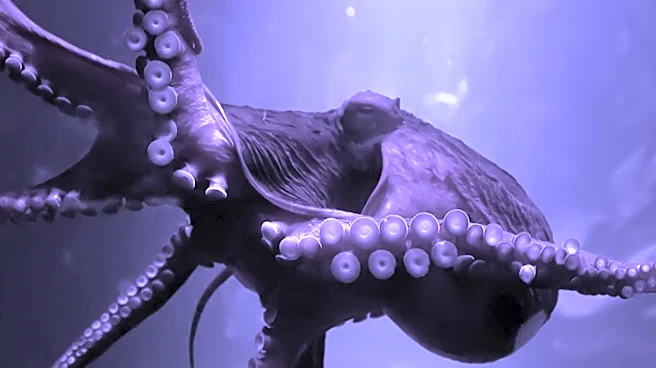
Plans for the world's first octopus farm have been scrapped. The project, which was set to pioneer the farming of octopuses, faced significant controversy and opposition. The idea of farming octopuses has been met with ethical concerns from various groups,
leading to bans in several nations and U.S. states even before the project could commence. The decision to abandon the farm reflects the growing scrutiny and debate over the ethical implications of farming such intelligent creatures. The project aimed to establish a new industry but has been halted due to the backlash and regulatory challenges.
Why It's Important?
The abandonment of the octopus farm project highlights the increasing importance of ethical considerations in modern agriculture and aquaculture. Octopuses are known for their intelligence and complex behaviors, raising ethical questions about their farming. The decision to halt the project underscores the influence of public opinion and ethical debates on business ventures. This development could set a precedent for future projects involving intelligent marine life, potentially affecting regulations and industry standards. Stakeholders in the aquaculture industry may need to reassess their strategies and consider the ethical dimensions of their operations more carefully.
What's Next?
With the project abandoned, it is likely that discussions around the ethical treatment of marine life will continue to gain momentum. Regulatory bodies and environmental groups may push for stricter guidelines and bans on similar projects. The aquaculture industry might explore alternative methods or species for farming that do not raise similar ethical concerns. Additionally, there could be increased investment in research to better understand the implications of farming intelligent marine species. The outcome of these discussions could influence future policies and industry practices.
Beyond the Headlines
The controversy surrounding the octopus farm project sheds light on broader issues of animal welfare and the ethical treatment of intelligent species. It raises questions about the balance between innovation and ethical responsibility in the pursuit of new food sources. This case may prompt a reevaluation of how society values and interacts with intelligent non-human species, potentially leading to shifts in cultural attitudes and legal frameworks. The debate could also inspire more comprehensive studies on the cognitive abilities of marine life and their implications for human practices.