






What's Happening?
State lawmakers in Hawaii are advocating for enhanced communication strategies among government agencies and the public during natural disasters. This call to action follows a meeting with the House Committee on Public Safety, where representatives from
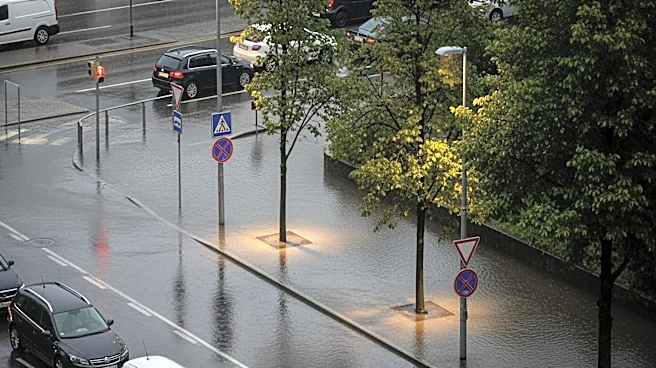
various agencies, including the Hawaii Emergency Management Agency and the National Weather Service, discussed their response to recent Kona low storms. The meeting highlighted the need for better 'human-to-human' communication, such as improving the response to 911 calls during emergencies. Lawmakers emphasized the importance of both low-tech and high-tech solutions to address communication gaps. Additionally, there is a push for more public outreach to enhance community resilience and preparedness for future natural disasters.
Why It's Important?
Improving communication during natural disasters is crucial for public safety and effective emergency response. The recent storms in Hawaii exposed significant gaps in how agencies communicate with the public, which can lead to delayed responses and increased risk to residents. By addressing these issues, Hawaii aims to enhance its disaster preparedness and response capabilities, potentially reducing the impact of future events. This initiative could serve as a model for other regions facing similar challenges, emphasizing the importance of both technological advancements and effective human communication in emergency management.
What's Next?
Agencies are expected to implement the suggested improvements in communication strategies, including investing in better equipment and software to predict storm severity. There may also be an increase in public outreach programs to educate communities on disaster preparedness. The development of more emergency shelters and interagency agreements to manage natural resources like streams is also anticipated. These steps aim to build a more resilient infrastructure capable of withstanding the increasing frequency and intensity of natural disasters, potentially influenced by climate change.