





What's Happening?
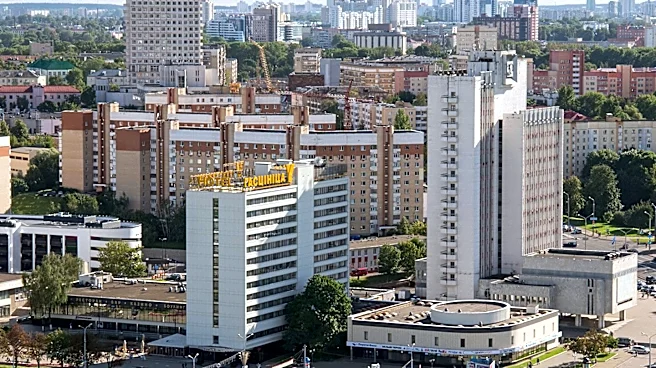
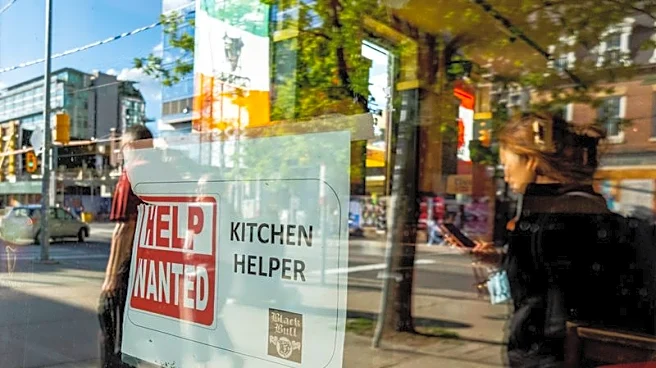
Belarus is proposing a significant overhaul of its labor laws, which will introduce new regulations for migrant workers and international students. Under the new draft law, foreigners seeking employment in Belarus will be required to submit their criminal
records. Those who obtain special work permits will have their employment restricted to a specific region or to Minsk. Additionally, recruitment agencies will be mandated to report to the Ministry of Internal Affairs. These changes will also affect international students, with some finding it easier to work in their field of study, while others may need a permit even for minor part-time jobs. The new legislation aims to clarify requirements for foreign workers and students, and its potential impact on Belarusians working abroad is also being considered.
Why It's Important?
This proposed labor overhaul in Belarus carries significant implications for both foreign workers and the country's labor market. By restricting migrant workers to specific regions, the government aims to control labor distribution and potentially address regional labor shortages more effectively. The requirement for criminal records and increased oversight of recruitment agencies suggests a move towards stricter immigration and employment controls, potentially impacting the flow of foreign labor into the country. For international students, the changes could either facilitate their integration into the Belarusian workforce in their chosen fields or create additional bureaucratic hurdles for part-time employment. These measures could influence Belarus's attractiveness as a destination for foreign labor and education, potentially affecting its economic and social dynamics.
What's Next?
The draft law is currently under review, and its final provisions will determine the exact scope and impact of these changes. Once enacted, the new regulations will require foreign workers and international students to adapt to the updated requirements, including regional restrictions and permit mandates. Recruitment agencies will also need to adjust their operations to comply with the new reporting obligations to the Ministry of Internal Affairs. The Belarusian government will likely monitor the effects of these changes on the labor market, including any shifts in foreign worker demographics or student enrollment. Further adjustments to the law could be made based on its implementation and observed outcomes.
Beyond the Headlines
The proposed labor overhaul in Belarus reflects a broader trend in some countries towards tighter control over immigration and foreign labor. The emphasis on regional allocation of workers could be an attempt to address uneven economic development across the country, directing labor to areas with greater need. The increased scrutiny of criminal records and recruitment agencies also points to concerns about national security and the integrity of the labor market. For international students, the changes highlight the evolving balance between facilitating educational opportunities and regulating foreign presence in the workforce. This legislative shift could also signal a move towards prioritizing domestic labor or a more selective approach to foreign talent, potentially influencing Belarus's international relations and its image as an open economy.