






What's Happening?
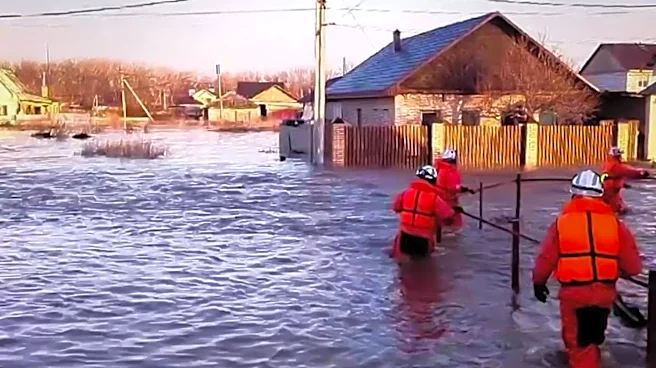
Direct Relief has dispatched emergency supplies to tribal communities in the Southwest affected by recent flooding. Shipments were sent to Native Health in Phoenix for communities in Shiprock, New Mexico, and to other partners responding in Bloomfield,
Farmington, and near Blanding, Utah. The supplies for Shiprock include 70 personal care kits with hygiene items for displaced individuals, along with 20 solar chargers and 25 reading lights provided by Unite to Light. This effort is part of Direct Relief's broader flood response across the Southwest. Overall, these shipments to various partners include 275 personal care kits, 880 N95 respirators, 175 reentry kits with protective gear for safe home returns, and seven field medic packs for triage care. Native Health, a long-term partner, operates multiple healthcare facilities and receives partial funding from the Indian Health Service.
Why It's Important?
The provision of emergency supplies by Direct Relief is crucial for mitigating the immediate health and safety impacts of flooding on vulnerable tribal communities in the U.S. Southwest. These communities often face unique challenges in disaster response due to remote locations, existing infrastructure limitations, and historical underinvestment in public services. The personal care kits address basic hygiene needs, which are critical in preventing disease outbreaks in displaced populations. Solar chargers and reading lights provide essential utilities in areas potentially without power. The inclusion of N95 respirators and reentry kits highlights concerns about environmental hazards like mold and contaminated water during cleanup. This aid underscores the vital role of non-profit organizations in supplementing government responses and directly supporting underserved populations during crises, ensuring that health and safety needs are met in the aftermath of natural disasters.
What's Next?
Direct Relief will likely continue to monitor the needs of flood-affected communities in the Southwest and may dispatch additional supplies as required. Their ongoing coordination with local partners like Native Health, the University of New Mexico, and Utah Navajo Health System will be critical for effective distribution and assessment of evolving needs. As communities transition from immediate emergency response to recovery, there may be a shift in the types of aid required, potentially including medical supplies for long-term health issues arising from flood exposure, mental health support, and assistance for rebuilding healthcare infrastructure. The organization's broader humanitarian efforts, including international aid, will continue alongside these domestic responses, demonstrating a sustained commitment to disaster relief and health equity.
Beyond the Headlines
The targeted aid to tribal communities by Direct Relief highlights systemic issues of vulnerability and health disparities within the U.S. These communities often bear a disproportionate burden from climate change impacts, including extreme weather events like floods, due to historical marginalization and limited resources for adaptation and recovery. The reliance on non-profit organizations for essential supplies underscores gaps in governmental disaster preparedness and response for these populations. This situation also brings to light the importance of culturally competent aid delivery and partnerships with local tribal health organizations, which are better positioned to understand and address the specific needs of their communities. Long-term, these events call for increased investment in resilient infrastructure, healthcare access, and disaster preparedness planning tailored to the unique contexts of tribal nations, ensuring greater self-sufficiency and protection against future crises.