


What's Happening?
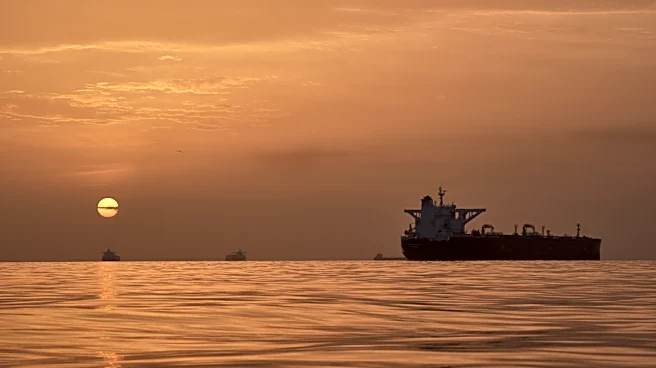
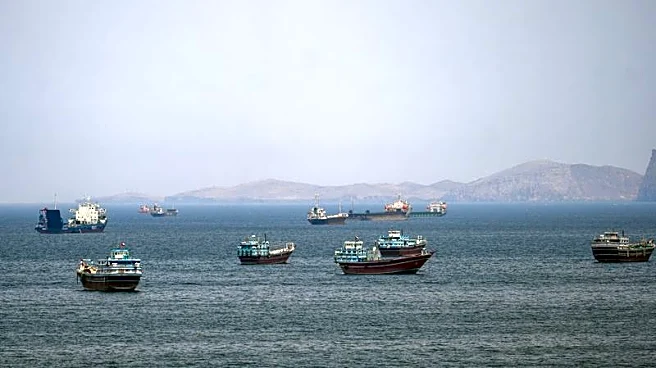
Anoop Singh, the global head of shipping research at Oil Brokerage, has raised questions about the effectiveness of the U.S. blockade on Iran. According to Singh, while some Iranian oil has managed to pass through the blockade in the Strait of Hormuz,
the overall flow has significantly decreased. This situation remains largely unchanged, suggesting that the blockade might be porous by design. The Strait of Hormuz is a critical chokepoint for global oil shipments, and any disruption can have significant implications for international oil markets.
Why It's Important?
The U.S. blockade on Iran is a strategic move aimed at curbing Iran's oil exports, which are a major source of revenue for the country. The effectiveness of this blockade is crucial for U.S. foreign policy objectives, particularly in exerting economic pressure on Iran. If the blockade is indeed porous, it could undermine these objectives and allow Iran to continue its oil exports, albeit at reduced levels. This situation also impacts global oil prices and supply, affecting economies worldwide, including the U.S. oil industry.
What's Next?
The ongoing situation in the Strait of Hormuz will likely continue to be monitored closely by international stakeholders. The U.S. may need to reassess its blockade strategy to ensure its effectiveness. Additionally, any changes in the blockade's enforcement could lead to shifts in global oil markets, influencing prices and supply chains. Stakeholders, including oil companies and governments, will be watching for any policy adjustments or diplomatic developments that could alter the current dynamics.