





What's Happening?
California authorities have unanimously approved new regulations, known as 'Zone 0' rules, requiring homeowners in high fire-risk areas to remove flammable materials around their properties. These regulations mandate clearing vegetation, fences, and other
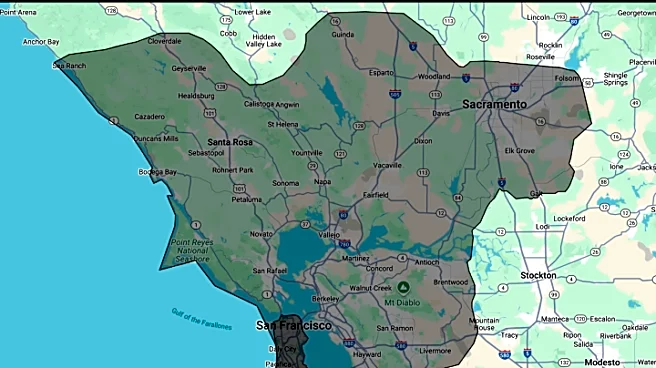
combustible items within a specific perimeter of homes over the next five years. The rules apply to properties in rural areas under state responsibility and those in 'very high fire hazard severity areas' within local-responsibility zones, including parts of the Berkeley and Oakland hills. The implementation will occur in phases, with initial requirements for clearing combustible materials like firewood, dead leaves, and mulch within 5 feet of homes within three years. More extensive changes, such as clearing all vegetation within one foot of a home and ensuring non-flammable fencing sections, are required within five years. The Board of Forestry and Fire Protection's proposal still needs a state review, expected between September 2 and September 7, followed by a five-day public comment period before becoming effective. This initiative stems from a legislative mandate over five years ago, following the devastating 2020 wildfires that destroyed thousands of homes and resulted in 31 fatalities.
Why It's Important?
These new 'Zone 0' regulations are a significant step in California's ongoing efforts to mitigate the escalating threat of wildfires, which have become more frequent and destructive due to climate change. By creating an 'ember-resistant' zone immediately around homes, the state aims to reduce the vulnerability of structures to wind-driven embers, a primary cause of home ignition during wildfires. The rules could potentially save lives and property by enhancing the defensibility of homes in high-risk areas. However, the implementation also presents substantial challenges and financial burdens for millions of homeowners, who may incur thousands of dollars in compliance costs. The impact on home insurance policies, which have seen significant increases and non-renewals in fire-prone regions, remains uncertain, with experts questioning whether compliance will lead to reduced premiums. This regulatory shift highlights the complex interplay between environmental challenges, public safety, and economic implications for residents and the insurance industry in California.
What's Next?
The approved 'Zone 0' regulations will undergo a state review between September 2 and September 7, followed by a five-day public comment period before they can officially take effect, potentially by the end of September. Homeowners in affected areas will then have a five-year window to comply with the new requirements, with specific timelines for different phases of implementation. Local fire agencies are expected to prioritize education and collaboration with the public to facilitate compliance, though fines starting at $100 are possible for non-adherence. Local jurisdictions will have the flexibility to tailor solutions and grant exceptions based on factors like fire risk and response resources. Homes constructed after the regulations become active will be required to comply immediately. The long-term effectiveness of these rules in reducing wildfire damage and their influence on the state's insurance market will be closely monitored, with potential for further adjustments or support programs to address homeowner concerns regarding cost and feasibility.
Beyond the Headlines
The 'Zone 0' regulations delve into deeper societal and environmental implications beyond immediate fire safety. The protracted debate and delays in their approval underscore the tension between individual property rights, aesthetic preferences for landscaping, and the collective need for wildfire resilience in a changing climate. The rules reflect a shift towards greater individual responsibility in fire prevention, moving beyond traditional firefighting efforts to a more proactive, home-centric defense strategy. Ethically, the regulations raise questions about equity, as the financial burden of compliance may disproportionately affect lower-income homeowners or those with extensive landscaping. Culturally, they challenge long-held notions of desirable home aesthetics, potentially leading to a more standardized, fire-resistant landscape design in high-risk communities. The success of these regulations will not only be measured by reduced fire losses but also by the state's ability to foster community buy-in and provide adequate resources and support for widespread, equitable implementation, potentially setting a precedent for other fire-prone regions globally.