
What's Happening?
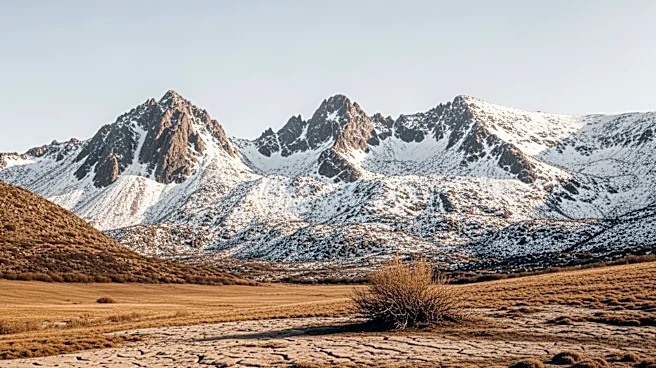
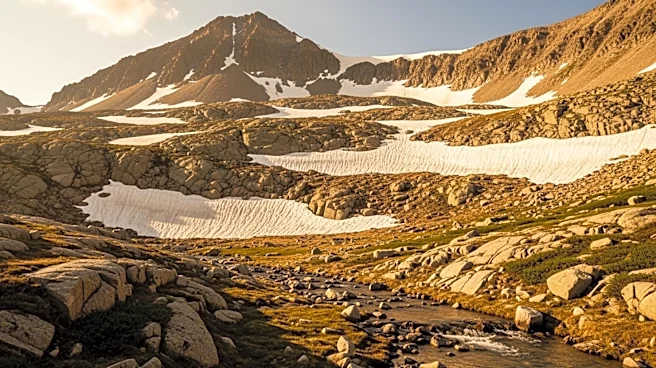
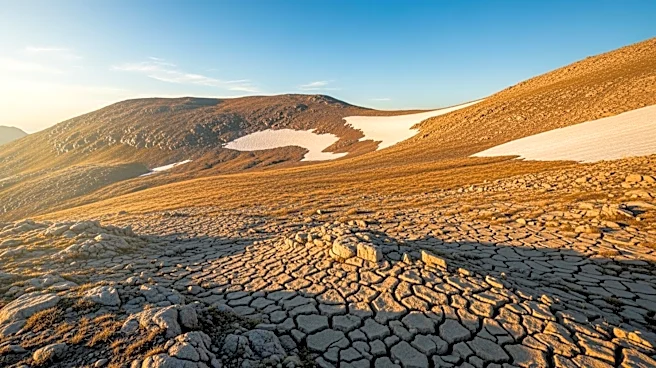
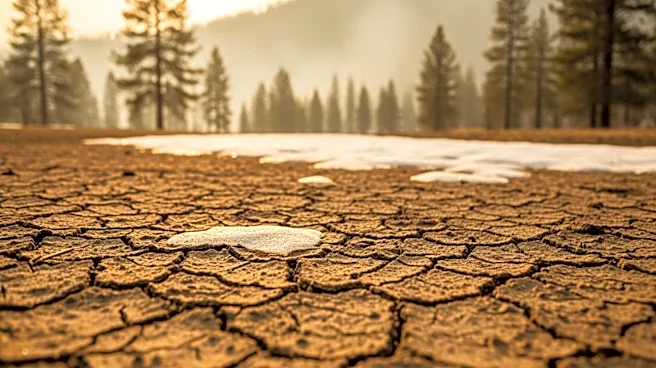
The United States experienced a historically warm winter across nine states, followed by exceptionally high temperatures in March. This unusual weather pattern has resulted in critically low levels of
mountain snowpack, which is a vital water source for millions in the American West. The lack of snowpack raises concerns about a potentially severe wildfire season if conditions do not improve. Despite the expectation of increased precipitation in spring, the forecast for continued warm and dry weather exacerbates the situation, leading to worries about the upcoming late spring and summer months.
Why It's Important?
The critically low snowpack in the American West poses significant risks to water supply and increases the likelihood of wildfires. Water scarcity could impact agriculture, urban water usage, and ecosystem health, affecting millions of residents and businesses. The potential for severe wildfires threatens property, natural resources, and air quality, with economic implications for affected regions. As climate patterns shift, the need for adaptive strategies in water management and fire prevention becomes increasingly urgent, highlighting the broader impacts of climate change on U.S. environmental and economic stability.
What's Next?
If the warm and dry conditions persist, stakeholders may need to implement water conservation measures and prepare for an active wildfire season. Local governments and agencies might increase efforts in fire prevention and response planning. Additionally, discussions around climate adaptation strategies could gain momentum, focusing on sustainable water management and infrastructure resilience. The situation may prompt further research into climate change impacts and drive policy changes at state and federal levels to address these environmental challenges.
Beyond the Headlines
The current weather patterns underscore the long-term implications of climate change, including altered precipitation cycles and increased frequency of extreme weather events. These changes challenge existing infrastructure and resource management systems, necessitating innovative solutions and collaborative efforts across sectors. The situation also highlights the ethical considerations of environmental stewardship and the responsibility to mitigate climate impacts for future generations.