




What's Happening?
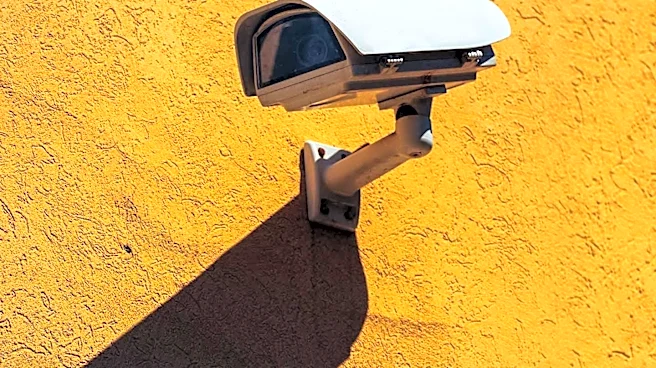
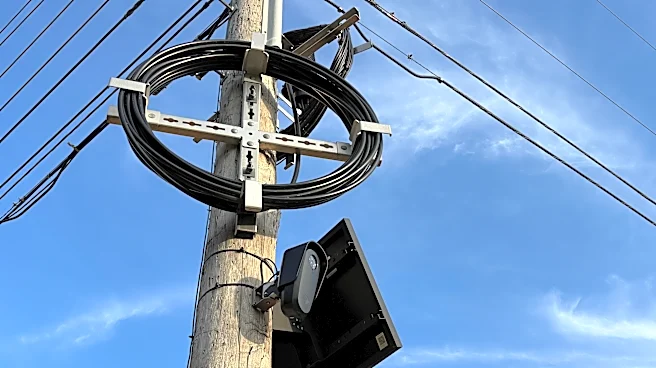
Joliet Police Lieutenant Jeremy Harrison has been indicted on felony charges of computer tampering and official misconduct. These charges stem from an investigation initiated by the Joliet city inspector general, who alleged that Harrison misused the city’s
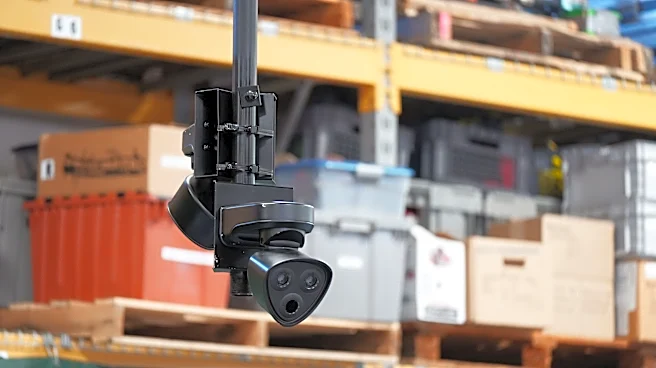
Flock Safety program for personal benefit. The case was presented to a Will County grand jury, which subsequently returned the charges. According to court records, the indictment alleges that Harrison accessed the Flock Safety program and entered data regarding a woman’s vehicle, reporting it as wanted, stolen, or being driven recklessly. He is accused of conducting over one hundred searches of the woman’s license plates on the Flock system without a legitimate basis. Harrison's attorney, Oliver Soleiman, has labeled the charges as 'frivolous' and expressed confidence in defeating them. Last year, the Joliet Police Department recommended Harrison's termination, a decision he has since appealed.
Why It's Important?
This indictment highlights critical issues surrounding the use and potential misuse of surveillance technology by law enforcement agencies. The Flock Safety program, designed to assist police in tracking vehicles for legitimate investigative purposes, relies on public trust and strict adherence to protocols. Allegations of an officer using such a system for personal reasons, as in this case, can erode public confidence in police accountability and the ethical deployment of advanced surveillance tools. The case also brings to the forefront the legal and ethical boundaries of data access and privacy within law enforcement. If proven, Harrison's actions could set a precedent for how similar technology is governed and how officers are held responsible for breaches of conduct. It underscores the need for robust oversight mechanisms and clear guidelines to prevent the abuse of powerful surveillance capabilities, ensuring that these tools serve public safety without infringing on individual rights.
What's Next?
Following the indictment, Lieutenant Harrison's case will proceed through the Will County court system, with Special Prosecutor Bill Elward assigned to the case. Harrison's attorney has indicated a strong intent to contest the charges, suggesting that they are 'frivolous' and that they anticipate a favorable outcome. Concurrently, Harrison's appeal against his recommended termination by the Joliet Police Department is ongoing. His legal team has also been pursuing a Will County lawsuit, alleging they were denied access to the 'underlying source' of an audio recording pertinent to his termination hearing. The city of Joliet is seeking to move this lawsuit to federal court, arguing it involves federal claims. The outcome of these legal proceedings will likely influence future policies regarding the use of Flock Safety and similar surveillance technologies within the Joliet Police Department and potentially other law enforcement agencies.
Beyond the Headlines
The case of Lieutenant Harrison extends beyond individual misconduct, touching upon broader societal concerns regarding privacy in an increasingly surveilled world. The alleged misuse of the Flock Safety program, a system that captures and stores license plate data, raises questions about the scope of data collection by law enforcement and the potential for personal information to be exploited. This incident could fuel public debate on the necessity of stringent data protection laws and independent oversight bodies to monitor police use of advanced technologies. It also highlights the psychological impact on individuals who may be unknowingly tracked, fostering a sense of unease and distrust. The legal battle may also explore the 'legitimate basis' for accessing such data, potentially leading to clearer definitions and stricter enforcement mechanisms for police conduct in the digital age. This situation underscores the delicate balance between enhancing public safety through technology and safeguarding civil liberties.