


What's Happening?
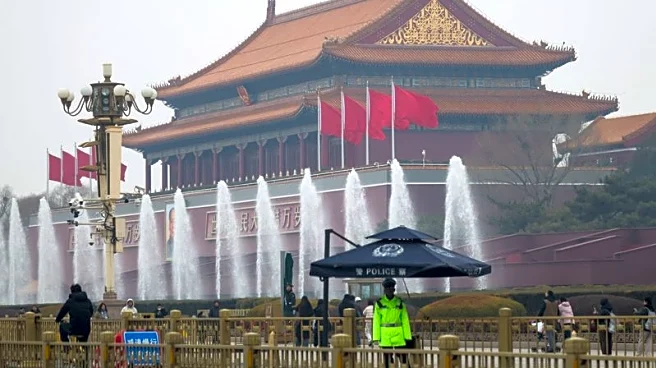
China's economic growth is facing significant challenges as the country convenes its National People's Congress. The meeting, which draws about 3,000 deputies to Beijing, will outline China's annual growth targets and policy priorities until 2030. Despite
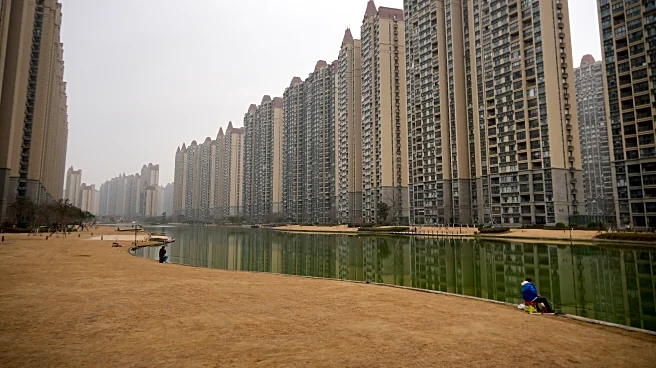
advancements in high-tech industries, China's economy is struggling due to a downturn in the housing market, small business difficulties, and high youth unemployment. The housing market slump has led to defaults by property developers and a significant drop in home prices, affecting consumer spending and domestic demand. The congress is expected to address these issues, possibly by enhancing social welfare and supporting domestic consumption.
Why It's Important?
China's economic performance has global implications, particularly for countries that rely on trade with China. The slowdown in growth and the housing market crisis could affect global supply chains and international markets. Additionally, China's focus on high-tech industries and exports may lead to overcapacity and trade tensions with other countries. The congress's decisions could influence China's economic strategy, impacting global economic stability and trade relations. The outcome of the congress may also affect China's domestic policy, potentially leading to reforms that could stabilize the economy and address social issues.
What's Next?
The National People's Congress is expected to endorse a five-year plan focusing on 'high quality development,' which may include measures to boost social welfare and domestic consumption. The congress's decisions will likely shape China's economic policies and its approach to international trade. Observers will be watching for any shifts in China's economic strategy, particularly regarding its reliance on exports and high-tech industries. The congress's outcomes could also influence China's political landscape, as leader Xi Jinping consolidates power and sets the country's direction for the coming years.