




What's Happening?
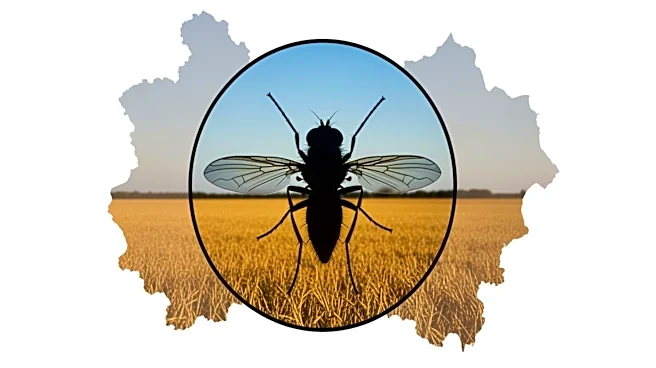
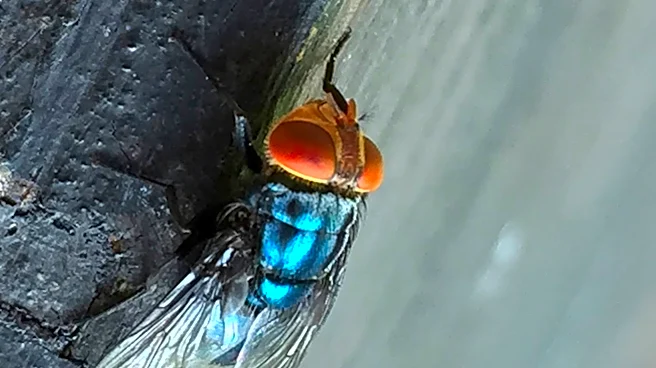
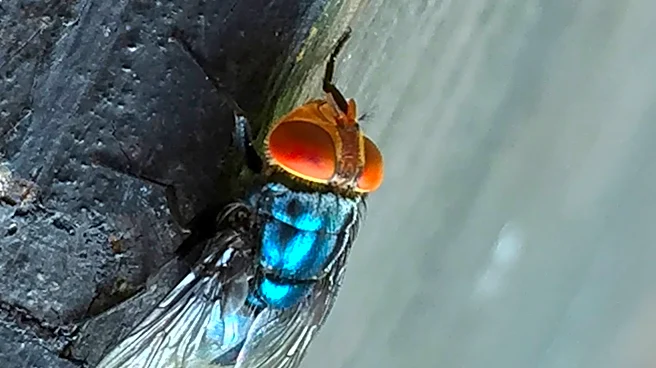
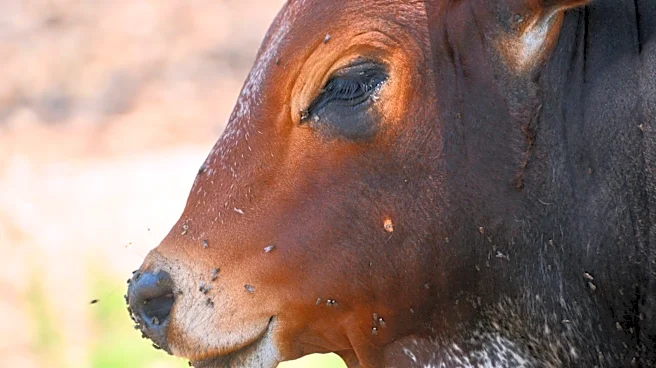
Texas Governor Greg Abbott has activated the State Emergency Operations Center at Level II in response to a screwworm outbreak affecting livestock. The New World screwworm, a parasite that feeds on living tissue, poses a significant threat to cattle production
in Texas, the nation's top cattle-producing state. The outbreak has already resulted in five confirmed cases, including four in Texas and one in New Mexico. The emergency response involves deploying state resources to detect and contain the parasite, with a focus on protecting livestock and preventing disruptions to the U.S. food supply. The situation is being closely monitored by state and federal agencies, with efforts to prevent the spread of the parasite to other states.
Why It's Important?
The screwworm outbreak in Texas has significant implications for the U.S. agricultural sector, particularly the cattle industry. As the top cattle-producing state, Texas plays a crucial role in the national food supply chain. An unchecked outbreak could lead to quarantines, restricted animal movement, and increased beef prices, affecting consumers and food distribution systems nationwide. The situation also intersects with broader global supply risks, as disruptions in energy flows through the Strait of Hormuz could drive up transportation and fuel costs, further impacting agricultural supply chains. The emergency response aims to mitigate these risks and protect the economic interests of ranchers and livestock producers.
What's Next?
State and federal agencies will continue to coordinate efforts to contain the screwworm outbreak and prevent its spread to other regions. The Texas Division of Emergency Management is working with various partners to manage surveillance, containment, and public guidance. Other states, such as Florida and Oklahoma, have implemented restrictions on the import of livestock from affected areas to prevent the parasite from establishing new footholds. The situation will require ongoing monitoring and collaboration between state and federal authorities to ensure the protection of the U.S. food supply and agricultural sector.