





What's Happening?
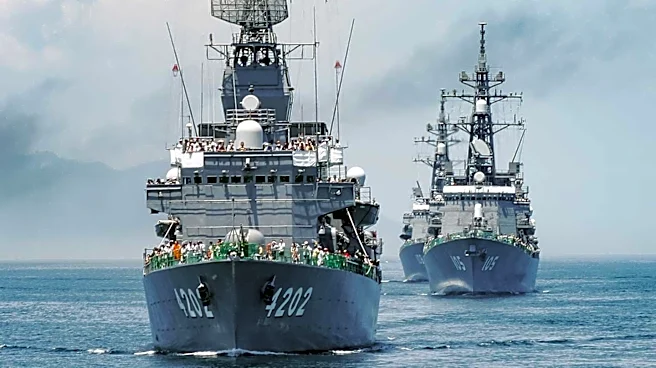
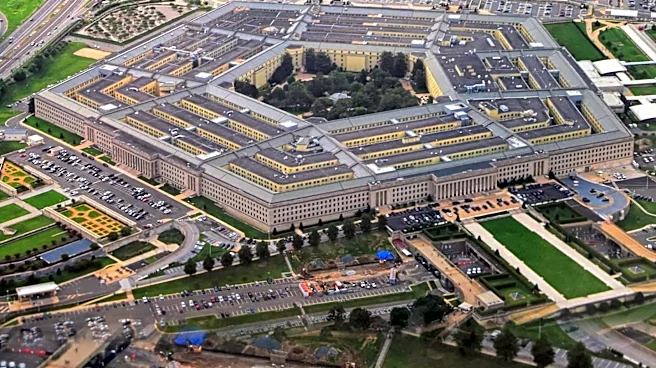
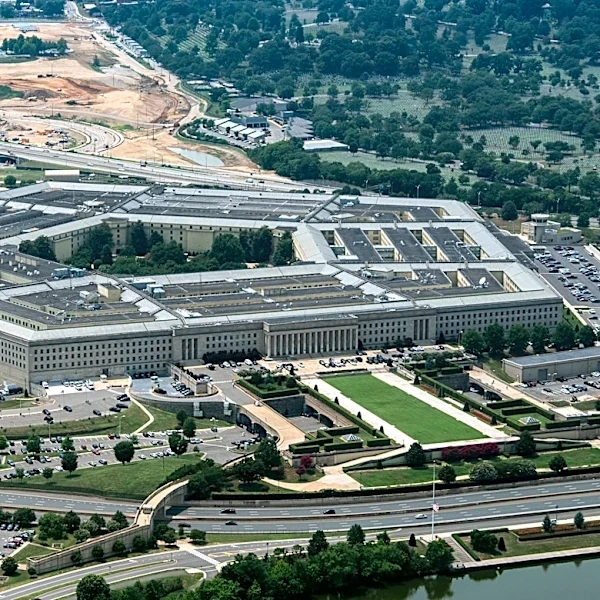
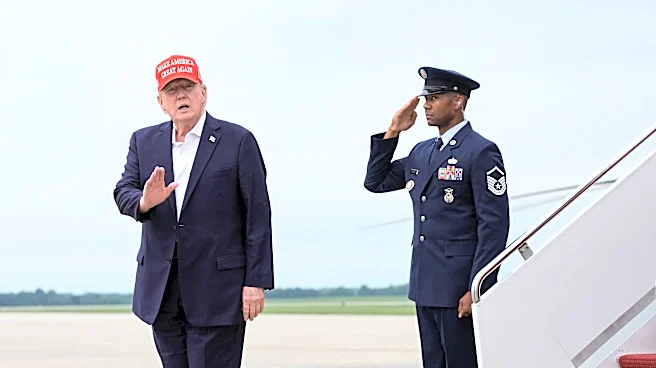
President Trump has instructed Secretary of War Pete Hegseth to "substantially reduce" joint military exercises between the United States and South Korea. This decision was announced by President Trump on Truth Social on Sunday, August 16, where he expressed
dissatisfaction with the exercises, citing their cost and the signal they send to North Korea. President Trump stated that he is "not happy with the fact that the United States has, long ago, agreed to participate in Joint Military Exercises with South Korea," and that these exercises are "costly" and "send a signal that is totally inappropriate and hostile" to North Korea, which he described as "unthreatening and respectful" during his presidency. This reduction comes after President Trump reportedly asked the President of South Korea to join the U.S. in the "Denuclearization of the Islamic Republic of Iran," an offer that was declined. The annual "Ulchi Freedom Shield (UFS) 2026" exercises, originally scheduled to run until August 27, will now conclude on August 21, with the second phase simulating a large-scale attack from North Korea being canceled.
Why It's Important?
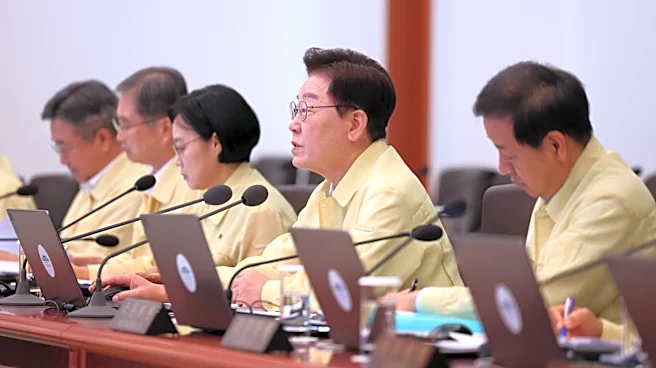
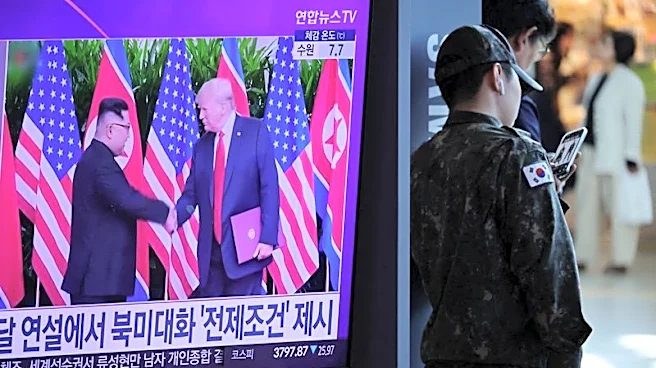
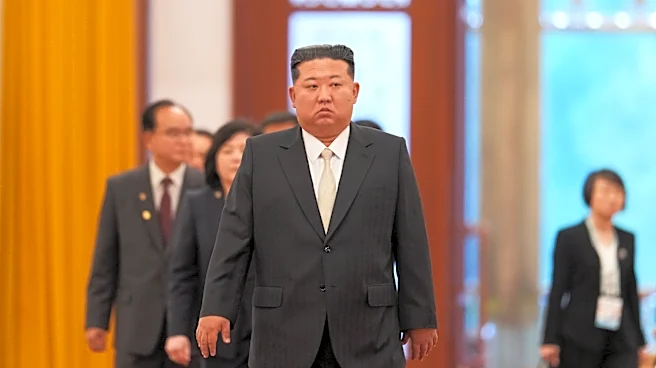
President Trump's decision to curtail joint military exercises with South Korea has significant implications for U.S. alliances and regional stability. It signals a potential weakening of the U.S. commitment to its long-standing ally, South Korea, at a time when North Korea continues to conduct missile tests and pose a threat. The President's public praise for North Korean leader Kim Jong Un, while criticizing South Korea, could undermine the credibility of U.S. security guarantees and encourage North Korean aggression. This move also reflects President Trump's transactional approach to foreign policy, where he prioritizes cost-cutting and perceived personal relationships over established diplomatic and military strategies. The refusal of South Korea to join the U.S. in military action against Iran highlights a divergence in strategic interests between the allies, further complicating the U.S.'s ability to form broad coalitions for its foreign policy objectives. This shift could force South Korea to reconsider its defense posture and potentially seek alternative security arrangements.
What's Next?
The reduction in military exercises is likely to be met with concern by South Korea and other U.S. allies in the region, who rely on these drills for readiness and deterrence. North Korea may interpret this as a sign of weakness or disunity within the U.S.-South Korea alliance, potentially emboldening its provocative actions. The U.S. administration's continued emphasis on cost-sharing and its willingness to alter long-standing military commitments could lead to further renegotiations of defense agreements with allies globally. The broader implications for U.S. foreign policy include a potential erosion of trust among allies and a perception of unpredictability in U.S. leadership. The incident also underscores the ongoing debate within the U.S. about the balance between maintaining alliances and pursuing perceived national interests, particularly in the context of military spending and global engagements.
Beyond the Headlines
President Trump's actions regarding the South Korea military exercises and his rhetoric towards Kim Jong Un reveal a deeper pattern of what has been termed "dictator envy." This refers to an apparent admiration for leaders who operate without the constitutional constraints and checks and balances inherent in democratic systems. This mindset, as described by analysts, suggests that President Trump values displays of strength and control, often at the expense of traditional diplomatic norms and alliances. The U.S. Constitution and its system of separated powers were deliberately designed to prevent the unilateral exercise of power, a concept that appears to chafe against President Trump's desire for unconstrained authority. This underlying philosophy could have profound long-term effects on the U.S.'s role in the world, potentially leading to a more isolationist and transactional foreign policy that prioritizes short-term gains over enduring strategic partnerships and democratic values. The incident serves as a stark reminder of the importance of constitutional limits on executive power and the potential consequences when those limits are challenged or disregarded.