
What's Happening?
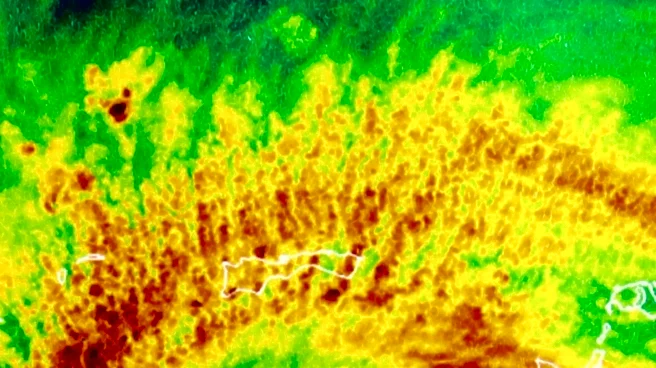
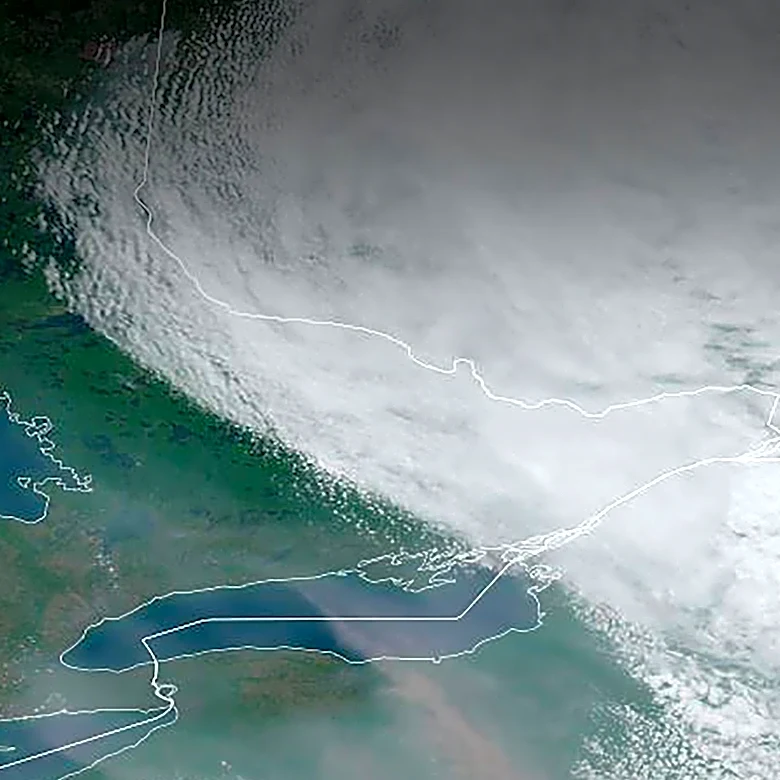
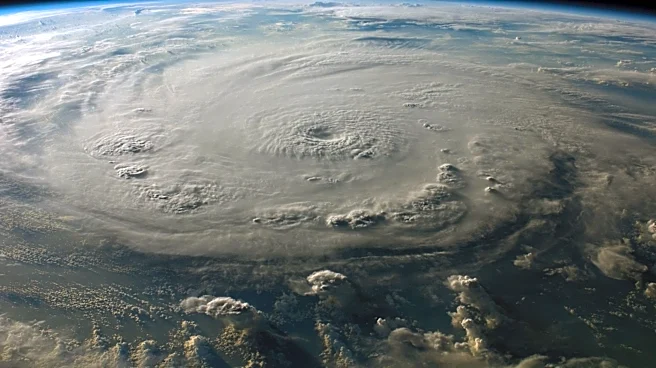
Bryan Norcross, a hurricane specialist, reports that hostile atmospheric conditions are preventing tropical development in the Atlantic. The presence of a dense Saharan dust cloud and cooler ocean water temperatures are contributing factors. Despite a large
disturbance near the Cabo Verde Islands, the El Niño-driven upper-level winds are expected to continue, inhibiting tropical storm formation. The National Hurricane Center predicts no tropical development in the coming weeks, although the situation could change as Saharan dust diminishes and water temperatures rise later in the season.
Why It's Important?
The lack of tropical development in the Atlantic has significant implications for regions typically affected by hurricanes. While the current conditions provide a temporary reprieve, the potential for storm development remains, especially closer to the U.S. coast. Understanding these atmospheric patterns is crucial for disaster preparedness and resource allocation. The ongoing monitoring by meteorologists and agencies like the National Hurricane Center helps inform public safety measures and readiness plans, reducing the risk of damage and loss of life during hurricane season.
What's Next?
As the season progresses, meteorologists will continue to monitor changes in atmospheric conditions, including the potential reduction of Saharan dust and warming ocean temperatures. These factors could alter the likelihood of tropical storm development. Stakeholders, including government agencies and emergency management teams, will remain vigilant, ready to respond to any changes in weather patterns that could impact coastal communities.