



What's Happening?
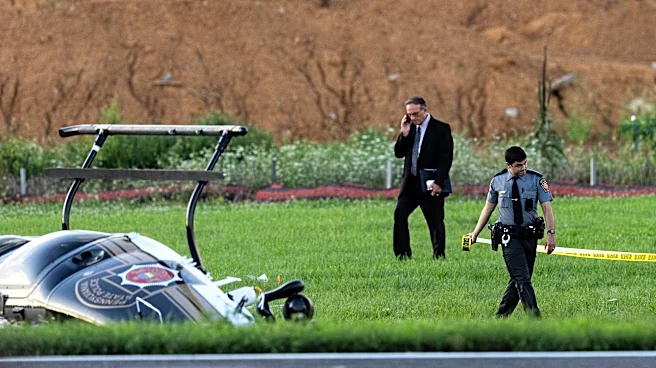
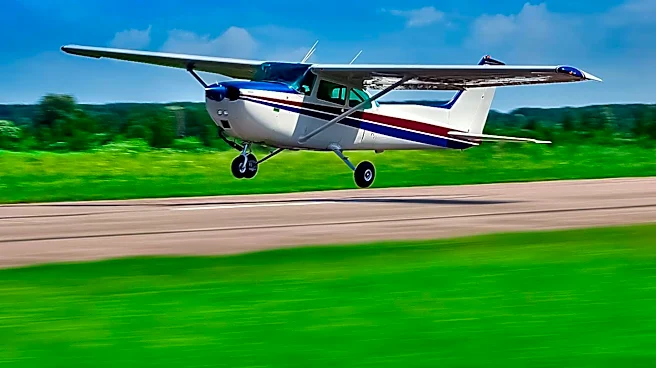
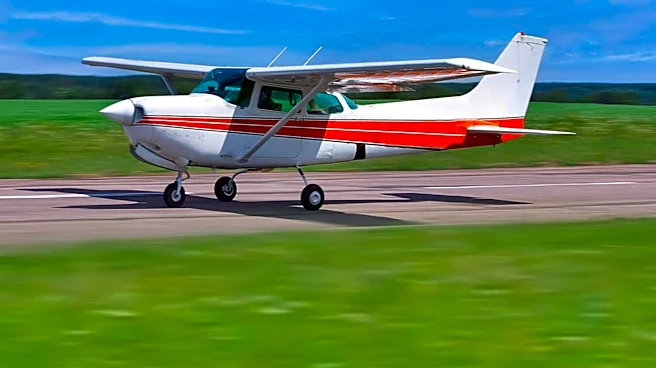
Dr. Paul William Sokoloski, a 57-year-old veteran emergency room doctor and commercial pilot, has been identified as the pilot killed in a "very violent" mid-air collision involving his Cessna 150 and a Pennsylvania State Police helicopter. The incident
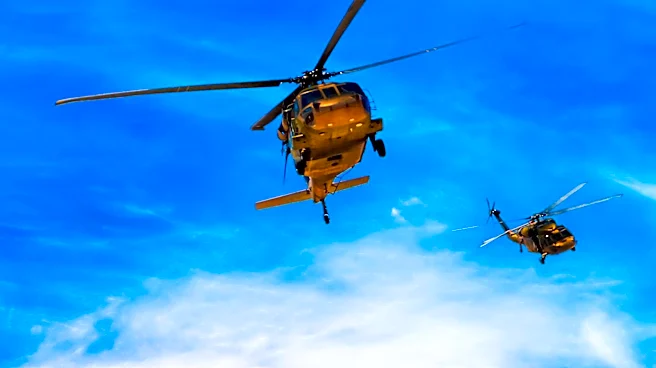
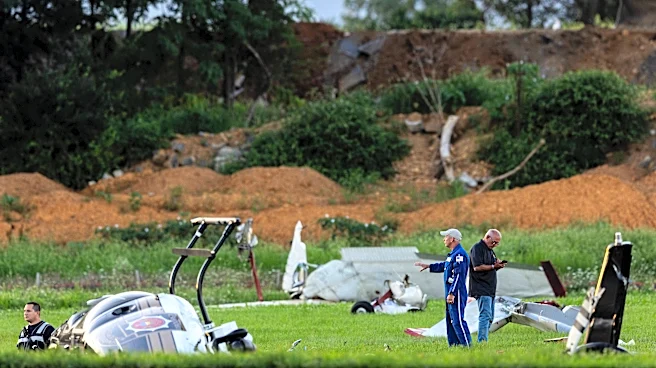
occurred Wednesday evening at Carlisle Airport in Cumberland County. Harrowing video footage circulating online shows the small private jet appearing to struggle with wake turbulence or rotor wash before striking the tail of the hovering state police chopper. The collision resulted in an explosion of dust and debris, with the Cessna breaking into many pieces. The two Pennsylvania State Police pilots, Cpl. Bryce Corman and Trooper Jason Mills, were airlifted from the scene; Corman has been discharged, and Mills remains hospitalized with a good prognosis.
Why It's Important?
This tragic incident highlights critical safety concerns in aviation, particularly regarding air traffic control and communication protocols at airports where both civilian and law enforcement aircraft operate. The National Transportation Safety Board (NTSB) investigation will be crucial in determining the exact cause, which could lead to revised aviation safety regulations, especially concerning small aircraft operations near hovering helicopters. The death of Dr. Sokoloski, a dedicated medical professional, represents a significant loss to the healthcare community. The incident also underscores the inherent risks faced by law enforcement personnel in aerial operations. The findings of the NTSB could influence pilot training, air traffic management, and the design of aircraft to prevent similar future occurrences, impacting both general aviation and specialized police air units across the nation.
What's Next?
The National Transportation Safety Board (NTSB) is actively investigating the crash to determine its cause. NTSB investigator Aaron McCarter stated that the wreckage will be analyzed, and the actions of both pilots, as well as environmental factors at the time of the collision, will be examined. Both pilots were flight instructors, and communication was established between the flight crews prior to the collision. McCarter noted that there is no immediate explanation for the fatal collision and that evidence suggests Sokoloski was aware of the state police chopper's presence. The NTSB will also investigate the unusual flight path of the small airplane and whether it had any mechanical issues, as Sokoloski was reportedly performing maintenance on it before the flight. The investigation's findings will be critical in understanding why the collision occurred and in potentially recommending new safety measures.
Beyond the Headlines
Beyond the immediate investigation, this incident could spark a broader discussion about the increasing complexity of airspace management, especially in areas with mixed civilian and governmental air traffic. The availability of dramatic video footage, while aiding the investigation, also raises questions about public access to such sensitive material and its impact on public perception during ongoing probes. The loss of a highly skilled ER doctor like Dr. Sokoloski also brings to light the multifaceted lives many professionals lead, balancing demanding careers with personal passions like aviation. The NTSB's final report could lead to significant changes in air traffic control procedures, pilot training requirements, and potentially even aircraft design, influencing aviation safety standards for years to come and affecting pilots and air traffic controllers nationwide.