






What's Happening?
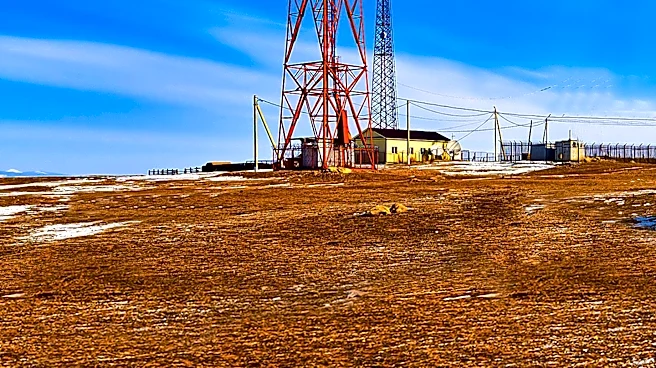
The Bow Planning Board is currently reviewing a proposal for a new 190-foot self-supporting lattice cell tower on the south side of town. Mariner Tower, a Maine-based company, has proposed erecting the tower on a 57-acre wooded property owned by resident
Dennis Ordway on South Bow Road. This proposal comes two years after Bow constructed a cell tower on town-owned land to address a coverage gap in the central part of the community. Brian Grossman, an attorney for Mariner Tower, stated that the site was selected based on findings from the town's 2024 study, which identified several 'dead zones.' The new tower aims to provide improved coverage to areas including South Bow Road, Woodhill Road, Hooksett Road, Quimby Road, and the Nottingcook Preserve. However, the proposal has faced criticism, with concerns raised about its visual and environmental impact, particularly given that another approved tower project in Hooksett, which could address similar coverage needs, has been paused.
Why It's Important?
The consideration of a new cell tower in Bow highlights the ongoing challenge for communities to balance the need for enhanced telecommunications infrastructure with residents' concerns about visual impact and environmental preservation. Reliable cell service is crucial for public safety, economic development, and daily communication, especially in areas with identified 'dead zones.' The town's 2024 study underscores the necessity of addressing these coverage gaps. However, the debate surrounding the Mariner Tower proposal reflects a common tension: while people desire better connectivity, they often oppose the physical presence of cell towers in their immediate surroundings. This situation also brings to light the complexities of regional infrastructure planning, as the existence of a paused, potentially redundant tower project in a neighboring area complicates the decision-making process for Bow. The outcome of this planning board decision could set a precedent for how future telecommunications projects are evaluated and approved in the region, influencing the balance between technological advancement and community aesthetics.
What's Next?
The Bow Planning Board has yet to approve Mariner Tower's proposal for the 190-foot cell tower. The board will continue to deliberate on the project, taking into account community feedback, the findings of the 2024 coverage study, and the potential impact of the tower. Further discussions are expected to address concerns regarding visual impact, environmental considerations, and the necessity of the tower in light of other potential solutions, such as the paused project in Hooksett. The company's attorney has emphasized efforts to minimize the tower's visibility through tree cover and a non-reflective finish. The planning board's decision will determine whether Bow proceeds with this specific tower, potentially leading to improved cell service in the identified dead zones. If approved, construction would likely follow, with residents in the affected areas experiencing enhanced connectivity. If denied, Mariner Tower may need to explore alternative sites or solutions, or the town may need to re-evaluate its strategy for addressing coverage gaps.
Beyond the Headlines
The discussion surrounding the proposed cell tower in Bow delves into broader societal issues concerning infrastructure development and community acceptance. The 'not in my backyard' (NIMBY) phenomenon is a recurring theme in such projects, where the collective benefit of improved services often clashes with individual or local concerns about aesthetics and property values. This case also highlights the evolving nature of telecommunications infrastructure, as the demand for seamless connectivity continues to grow. The integration of new technologies, such as 5G, necessitates more widespread and often more visible infrastructure. Furthermore, the debate touches upon the role of local government in mediating between corporate interests and community well-being, requiring careful consideration of technical needs, environmental impact, and public sentiment. The long-term implications include how communities adapt to the visual changes brought by modern infrastructure and how they balance the desire for technological advancement with the preservation of local character and natural landscapes. This ongoing negotiation shapes the future of urban and rural development in the digital age.