



What's Happening?
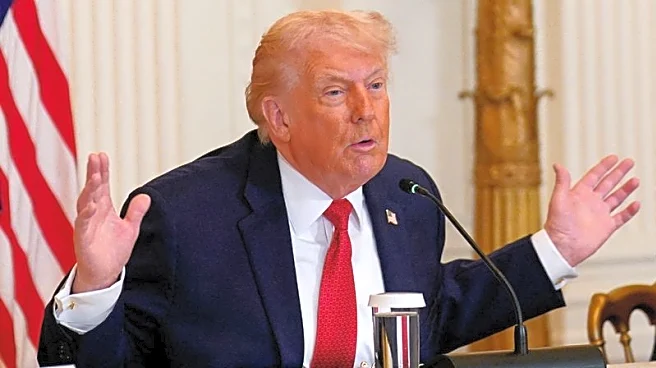
The Trump administration's military intervention in Venezuela has led to unexpected travel disruptions for affluent vacationers in St. Barts. The Federal Aviation Administration (FAA) responded to the military action, which resulted in the capture of
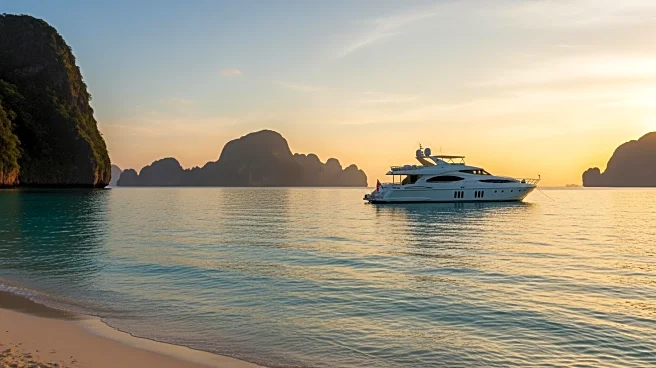
Venezuelan President Nicolás Maduro and left at least 40 people dead, by banning U.S. operations across the Caribbean. This decision forced many vacationers, including celebrities and billionaires, to extend their stays on the luxurious island. The situation has been widely shared on social media, with many using TikTok to humorously document their extended vacations. However, the lighthearted posts have also sparked discussions about the privilege of those who can afford to remain in such a high-end location during travel bans.
Why It's Important?
This incident highlights the intersection of geopolitical actions and their impact on global travel, particularly affecting those with the means to vacation in exclusive destinations. The FAA's decision underscores the broader implications of international military interventions on civilian life, even in seemingly unrelated contexts like luxury tourism. The situation also brings to light issues of privilege and disparity, as those stranded in St. Barts are able to leverage their resources to manage the inconvenience, unlike many others affected by geopolitical conflicts. This event may influence public perception of wealth and privilege, especially in the context of global crises.
What's Next?
As U.S. flights have resumed, travelers are expected to return home, but the incident may prompt further discussions on the responsibilities of affluent individuals during international crises. The travel industry might also reassess its contingency plans for similar situations in the future. Additionally, the political ramifications of the Trump administration's actions in Venezuela could lead to further diplomatic discussions and policy evaluations regarding U.S. involvement in foreign conflicts.
Beyond the Headlines
The event raises ethical questions about the portrayal of privilege in times of crisis. The use of social media to document such experiences can be seen as tone-deaf, especially when juxtaposed with the serious nature of the events in Venezuela. This could lead to a broader cultural conversation about the responsibilities of the wealthy in using their platforms during global emergencies. Furthermore, the incident may influence how luxury destinations prepare for and respond to geopolitical disruptions, potentially affecting future tourism strategies.