







What's Happening?
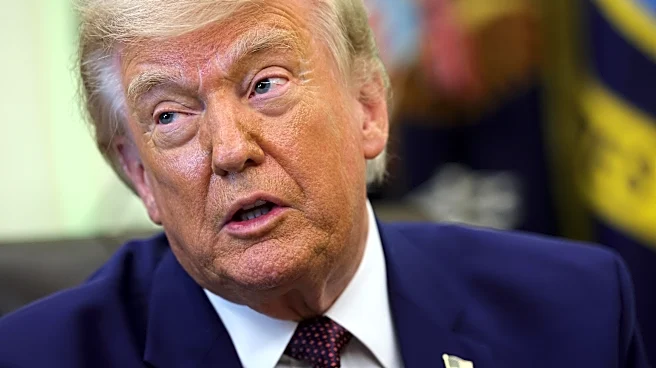
President Donald Trump has signed two executive orders aimed at strengthening customs enforcement and increasing accountability within the federal workforce. The first order introduces stricter regulations for importers of record, including increased
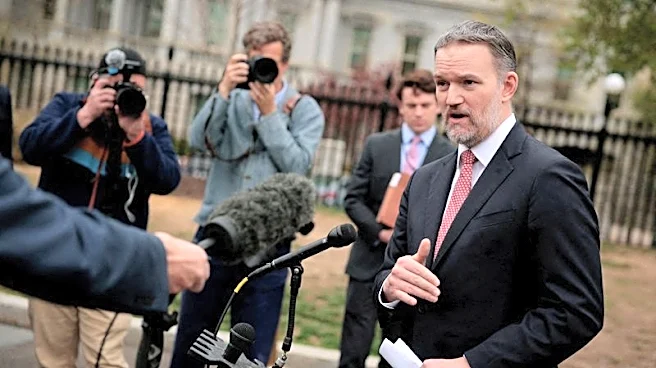
bonding requirements and a mandate for maintaining a minimum level of tangible domestic assets. This order also imposes heightened requirements for foreign importers and enhances vetting procedures for entities involved in importation. Customs and Border Protection Commissioner Rodney Scott emphasized that these measures are designed to protect American businesses from being undermined by foreign entities circumventing import-export rules. The second executive order facilitates the dismissal of federal employees for poor performance or misconduct, streamlining the process to ensure accountability within government agencies.
Why It's Important?
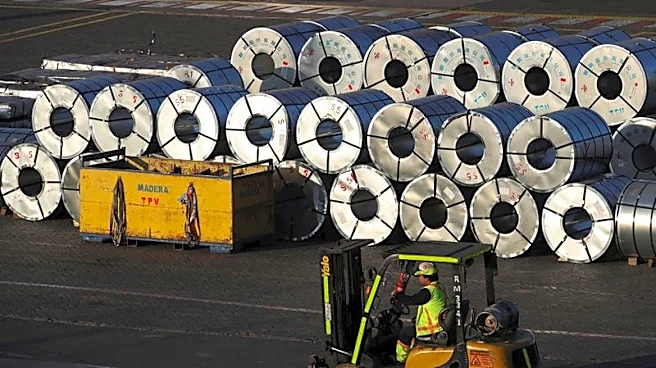
These executive orders are significant as they aim to bolster the U.S. economy by protecting domestic industries from unfair foreign competition and ensuring the integrity of imported goods. By tightening customs enforcement, the administration seeks to prevent the entry of harmful products and counterfeits, which could have detrimental effects on American businesses and consumers. The orders also reflect a broader effort to enhance government efficiency by holding federal employees accountable for their performance, potentially leading to a more effective and responsive federal workforce. This move could have far-reaching implications for trade policies and federal employment practices, impacting various stakeholders including businesses, government agencies, and the workforce.
What's Next?
The implementation of these executive orders will likely involve increased scrutiny and regulatory measures at U.S. borders, affecting importers and exporters. Businesses may need to adjust their compliance strategies to meet the new requirements. Additionally, federal agencies will need to adapt to the streamlined processes for employee accountability, which could lead to changes in workforce management and operational efficiency. The administration's actions may prompt reactions from trade partners and domestic industries, potentially influencing future trade negotiations and policy decisions.