






What's Happening?
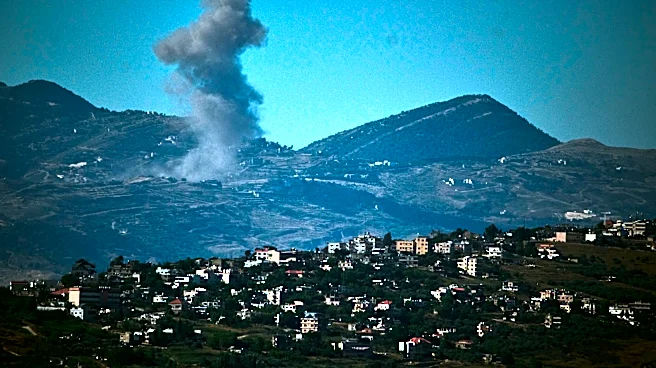
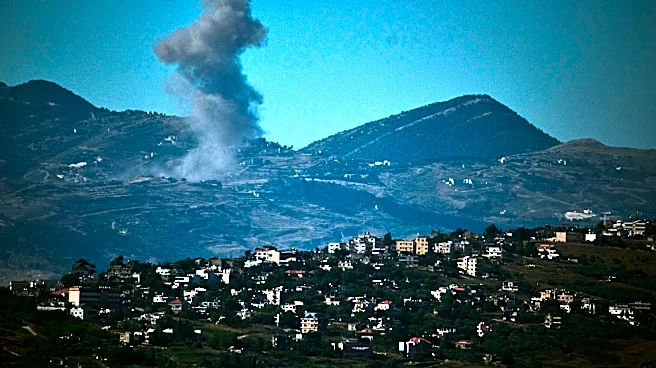
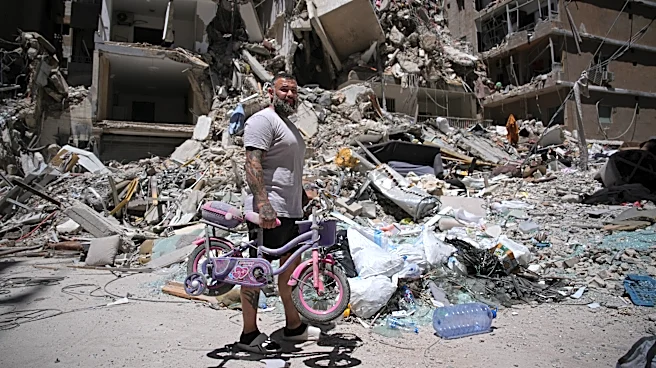
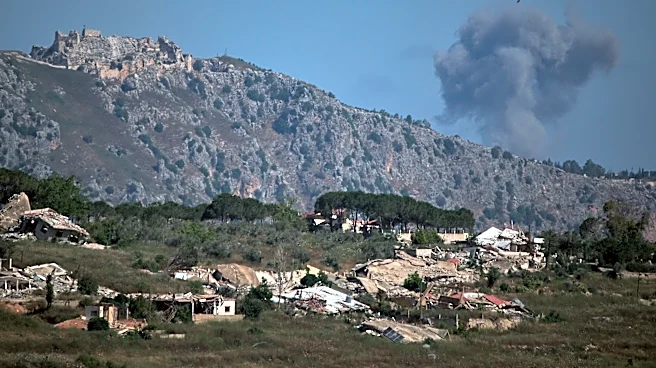
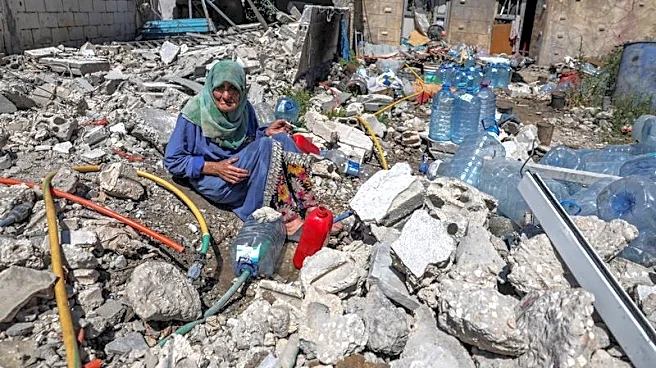
Communities along Israel's northern border are experiencing significant psychological stress due to ongoing conflict and security threats. Residents, including reserve soldiers and their families, are living under constant threat of rocket and drone attacks,
often having only seconds to reach safety. The lack of structured evacuations has left these communities exposed, leading to prolonged periods of living in safe rooms with the sound of artillery as a constant backdrop. The psychological impact is severe, with a reported 300% increase in parents seeking treatment for their children, who are showing symptoms of anxiety and behavioral regression. The decision by many communities to remain in place, rather than evacuate, stems from past experiences where evacuations led to the dismantling of community structures and social networks.
Why It's Important?
The situation highlights a critical moral and strategic dilemma for Israeli society: balancing the safety and mental health of children with national resilience and territorial integrity. The psychological toll on children and families in these conflict zones could have long-term implications for community cohesion and national morale. The decision to stay or evacuate affects not only immediate safety but also the social fabric and future viability of these communities. The government's approach to managing these crises, including potential investments in community resilience and respite models, could set precedents for handling similar situations in the future.
What's Next?
There is a growing call for the Israeli government to implement structured respite periods, similar to those used during the 2006 Lebanon War, allowing families temporary relief from conflict zones without dismantling communities. This approach could provide a middle ground, offering necessary psychological relief while maintaining community integrity. The government's response and investment in these models will be crucial in determining the future stability and resilience of these northern communities.
Beyond the Headlines
The ongoing conflict and its impact on northern Israeli communities underscore the broader challenges of living in a region with persistent security threats. The psychological effects on children and families could influence future policy decisions and community dynamics. The situation also raises questions about the long-term sustainability of living in high-risk areas and the ethical considerations of prioritizing national resilience over individual well-being.