






What's Happening?
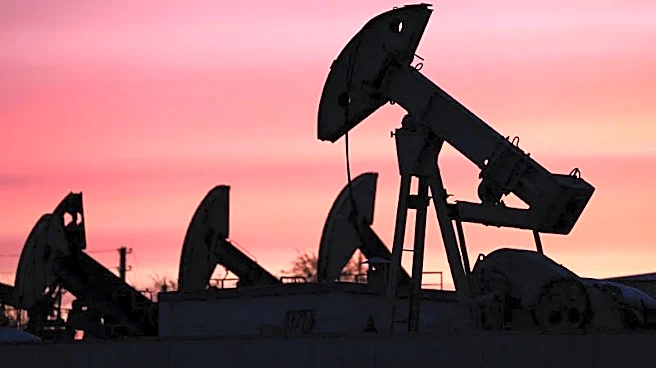
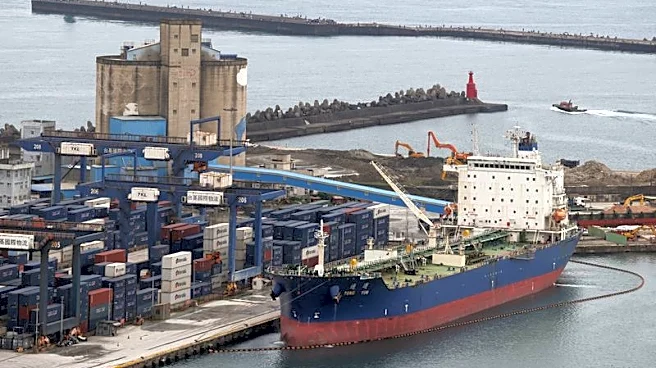
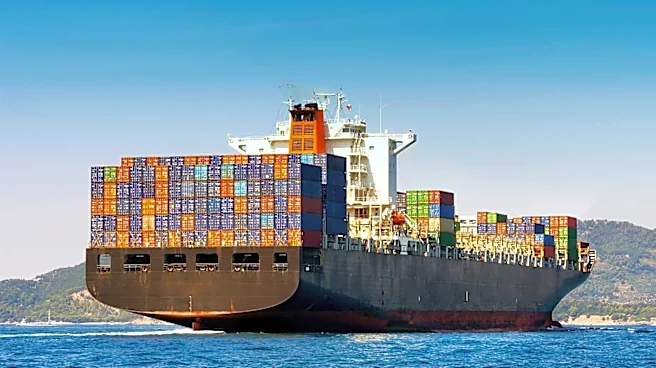
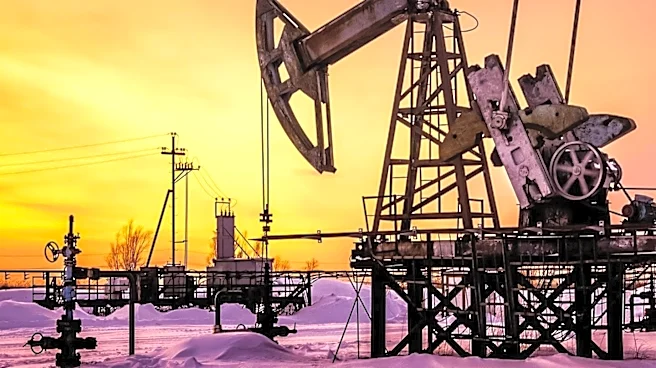
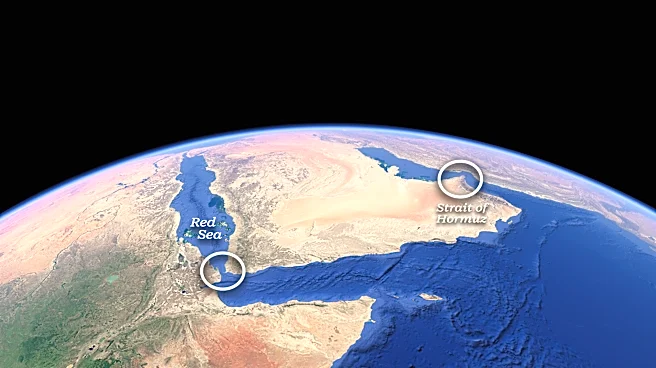
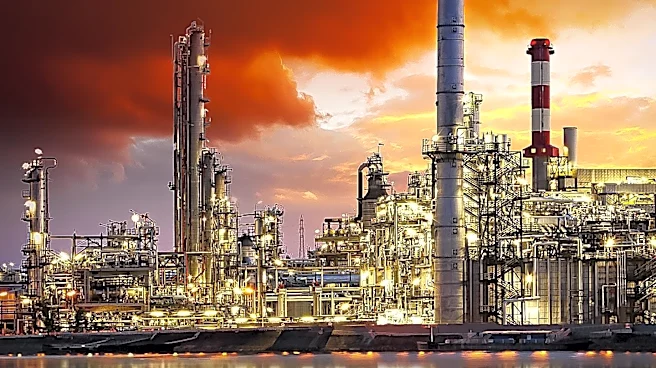
Oil prices have surged over 30% in the past month, reaching over $100 a barrel due to renewed US-Iran conflicts in the Middle East. Attacks in the Red Sea and disruptions in the Strait of Hormuz have put pressure on key oil-shipping routes. The cost of refining
oil into fuel is rising faster than crude prices, threatening to increase prices for diesel, jet fuel, and gas. Analysts note that the energy shock is more significant than the crude price suggests, with refined-fuel premiums surging and shipping costs increasing.
Why It's Important?
The surge in oil prices and refining costs could lead to higher fuel prices globally, impacting transportation and logistics industries. The increased costs may also affect consumer prices, contributing to inflationary pressures. The geopolitical tensions highlight the vulnerability of global energy supply chains and the potential for further disruptions. Countries reliant on Middle Eastern oil may face economic challenges, prompting a reevaluation of energy policies and diversification of energy sources.
What's Next?
If the conflict persists, oil prices may continue to rise, exacerbating economic pressures worldwide. Governments and industries may seek alternative energy sources to mitigate the impact of supply disruptions. The situation could lead to increased investment in renewable energy and energy efficiency measures. Stakeholders will likely monitor geopolitical developments closely, with potential diplomatic efforts to stabilize the region and secure energy supply routes.