
What's Happening?
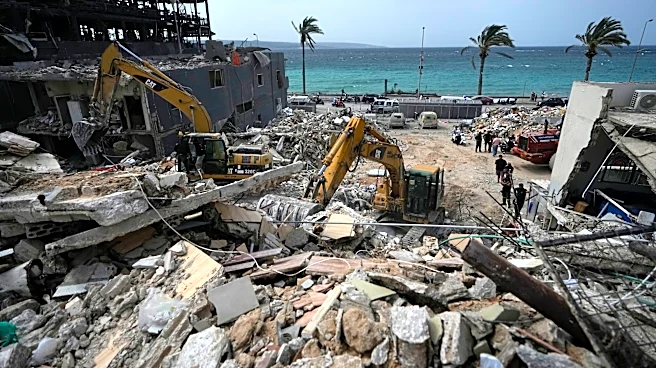
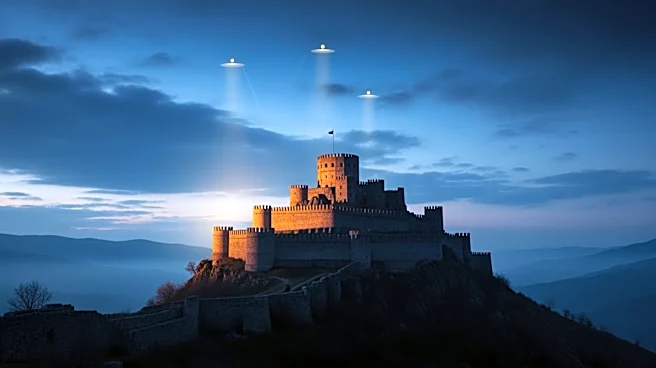
Lebanon's Ministry of Culture has urgently appealed to UNESCO for intervention following reports that Israeli forces may have destroyed the 12th-century Chama' Citadel. The citadel, located in southern
Lebanon, had been granted enhanced protection by UNESCO due to its historical significance and vulnerability during conflicts. The Lebanese authorities have expressed deep concerns over the potential demolition of the site, which has been under threat due to ongoing military operations between Israel and Hezbollah. The presence of Israeli forces has hindered on-site assessments, prompting Lebanon to request UNESCO's assistance in evaluating the damage through satellite imagery. A recent ceasefire announced by President Trump may provide an opportunity for further assessment, although the situation remains tense.
Why It's Important?
The potential destruction of the Chama' Citadel underscores the broader issue of cultural heritage preservation in conflict zones. The loss of such a significant historical site would not only be a cultural tragedy for Lebanon but also a violation of international conventions aimed at protecting cultural heritage during armed conflicts. This situation highlights the challenges faced by international organizations like UNESCO in enforcing protective measures and the need for stronger international cooperation to safeguard cultural sites. The ongoing conflict and its impact on cultural heritage could have long-term implications for Lebanon's cultural identity and tourism industry, which relies heavily on its rich historical sites.
What's Next?
The Lebanese government, along with UNESCO, will likely continue to monitor the situation closely, using satellite imagery and other remote assessment tools to evaluate the extent of the damage. The ceasefire may allow for on-ground assessments and potential restoration efforts, although the security situation remains uncertain. International diplomatic efforts may be necessary to ensure the protection of other vulnerable sites in the region. The outcome of this situation could influence future policies and strategies for cultural heritage protection in conflict zones, potentially leading to stronger international frameworks and cooperation.