








What's Happening?
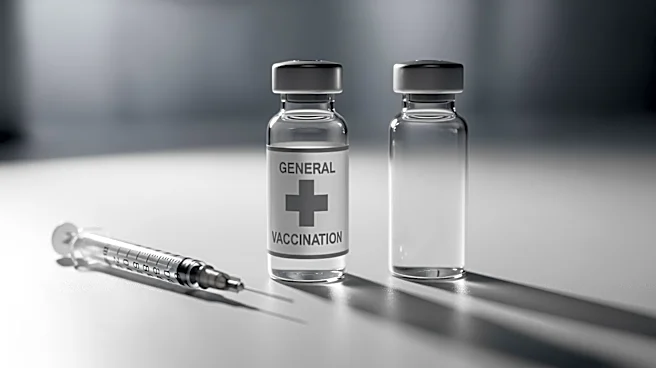
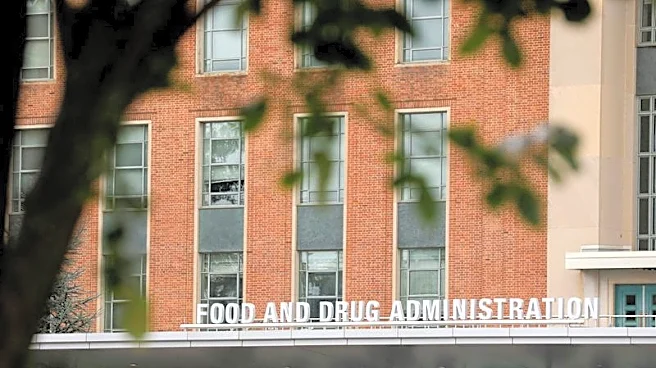
The Food and Drug Administration (FDA) has withdrawn the publication of studies that assessed the safety of COVID-19 and shingles vaccines. According to a spokesperson from the Department of Health and Human Services (HHS), the studies were retracted
because the authors made broad conclusions that were not supported by the underlying data. This decision is part of the FDA's effort to maintain the integrity of its scientific process and ensure that all associated work meets high standards. The studies, which were funded by taxpayer money, analyzed millions of patient records and concluded that serious side effects from the vaccines were rare. However, the withdrawal has sparked concerns about the potential censorship of taxpayer-funded science and its impact on public health communication.
Why It's Important?
The withdrawal of these studies is significant as it highlights ongoing debates about vaccine safety and the transparency of scientific research. The decision could affect public trust in vaccines, especially given the current climate of vaccine skepticism. It also raises questions about the role of government agencies in shaping public health narratives. The move may impact future vaccine policy and research funding, potentially influencing how new vaccines are developed and communicated to the public. Stakeholders such as healthcare providers, policymakers, and the general public may be affected by changes in vaccine recommendations and public health strategies.
What's Next?
The FDA's decision may lead to increased scrutiny of vaccine-related research and publications. It could prompt calls for more transparency in how scientific conclusions are drawn and communicated. There may also be discussions about the criteria used by government agencies to evaluate and approve scientific studies. As the debate continues, stakeholders may push for clearer guidelines and more robust peer-review processes to ensure the credibility of vaccine research. Additionally, public health officials may need to address concerns about vaccine safety to maintain public confidence in vaccination programs.