






What's Happening?
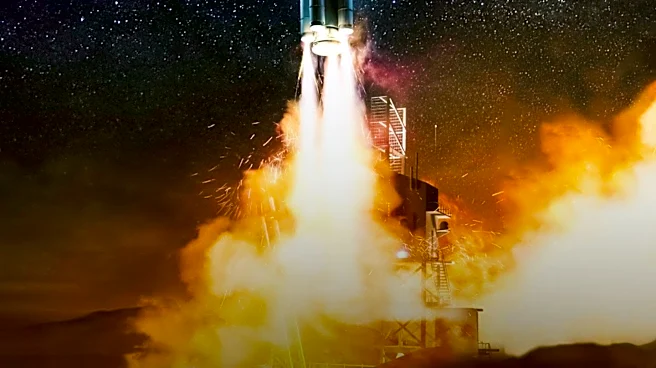
The U.S. Space Force has added two California-based startups, Impulse Space and Relativity Federal, to its National Security Space Launch Phase 3 Lane 1 contract. This contract is designed for more accessible and lower-risk missions. Both companies have
been awarded a $5 million firm-fixed-price task order to conduct initial capabilities assessments and develop their approach to tailored mission assurance. These firms will now compete with established companies like Blue Origin, SpaceX, United Launch Alliance, Rocket Lab, and Stoke Space for future launch contracts. The inclusion of these startups comes as the Space Force anticipates a significant increase in demand for national security launch capabilities, with expectations of up to 100 missions over the next five years and potentially 3,000 launches by 2036.
Why It's Important?
The addition of Impulse Space and Relativity Federal to the Space Force's list of launch providers is significant as it reflects the growing demand for national security space missions. This expansion is crucial for maintaining the U.S.'s strategic advantage in space, ensuring that the military can meet its increasing orbital capabilities needs. By diversifying its pool of launch providers, the Space Force aims to enhance competition, drive innovation, and reduce costs. This move also aligns with the Space Force's strategy to streamline contract awards and integration phases, thereby accelerating the timeline from contract award to launch. The involvement of startups could lead to more innovative and cost-effective solutions for accessing high-energy orbits, which is vital for national security.
What's Next?
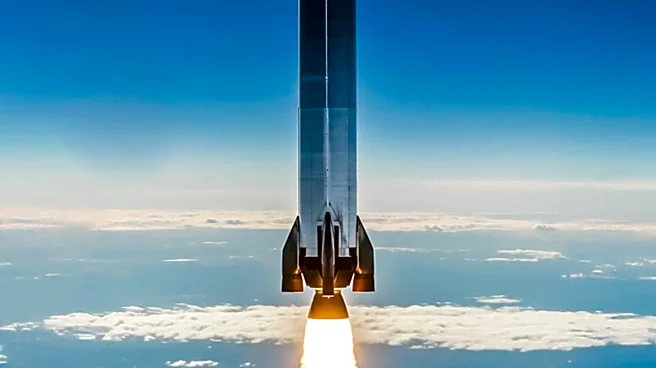
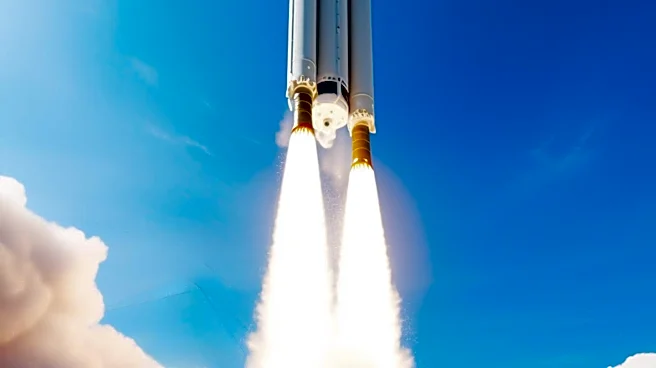
As Impulse Space and Relativity Federal begin their initial capabilities assessments, they will prepare to compete for upcoming missions. Relativity Federal's Terran R rocket is scheduled for launch from Cape Canaveral later this year, while Impulse Space's Helios vehicle is set for its first flight in 2027. The Space Force will continue to monitor the performance of these new entrants, with the potential for them to secure more significant roles in future missions. The success of these startups could influence the Space Force's procurement strategies and encourage further participation from other innovative companies in the space industry.