






What's Happening?
Agricultural leaders are increasingly focusing on integrating technology, sound agronomic practices, and strong leadership to navigate the evolving challenges in farming. Edgar Gutierrez, an agricultural leadership shaper, highlights the importance of
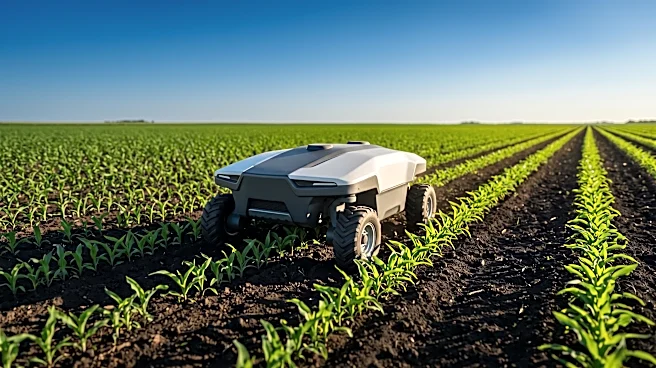
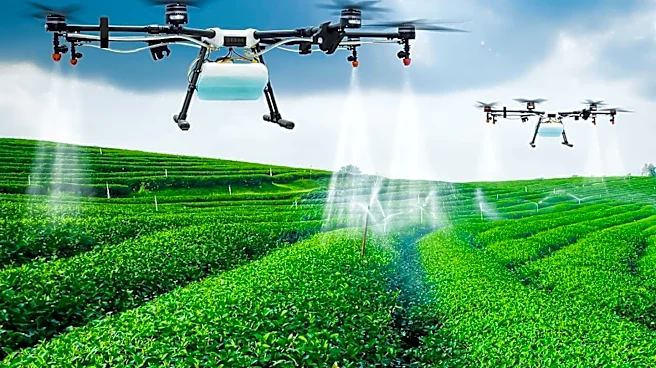
balancing productivity with precision, especially given changing weather patterns, labor needs, and resource costs. Modern farming is adopting new technologies like on-site weather stations, soil moisture sensors, precision irrigation systems, dendrometers, and sap flow meters to make more informed decisions. There is also a growing emphasis on long-term soil health, including improving soil structure, increasing organic matter, and enhancing water-holding capacity to create more resilient farming systems. The industry is experiencing a significant transformation, with artificial intelligence, automation, biotechnology, precision agriculture, and data analytics changing crop cultivation and farm management.
Why It's Important?
This strategic shift is crucial for the sustainability and profitability of the U.S. agricultural sector. By embracing technology, farmers can mitigate risks associated with unpredictable weather and optimize resource allocation, leading to increased efficiency and reduced waste. The focus on soil health is vital for long-term environmental sustainability, as healthy soils improve crop resilience to stress, enhance resource efficiency, and reduce reliance on external inputs. This approach can lead to more stable yields and lower operational costs, benefiting both farmers and consumers. The integration of data-driven decision-making, from irrigation scheduling to labor planning, allows for more agile responses to changing conditions, which is essential in a competitive global marketplace where U.S. labor costs are higher. Ultimately, these advancements aim to ensure consistent crop quality and food security while addressing environmental concerns.
What's Next?
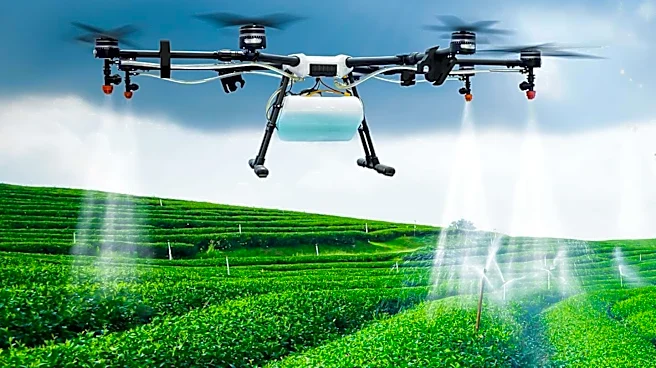
The agricultural industry will continue to see an accelerated adoption of advanced technologies and data analytics in daily farm management. Growers will increasingly rely on real-time information from sensors, drones, and satellite imagery to make informed decisions regarding irrigation, nutrition, pest management, and harvest timing. The balance between technological tools and human judgment will remain critical, with experienced growers and field teams combining data with their intuition. Leadership in agriculture will focus on fostering innovation, empowering employees, and building teams capable of finding solutions collaboratively. Future leaders are encouraged to embrace challenges, travel to broaden perspectives, and prioritize continuous improvement and service to others, ensuring the industry remains adaptable and resilient.
Beyond the Headlines
The transformation in agriculture extends beyond mere operational improvements; it represents a fundamental redefinition of farming as a high-tech, data-intensive enterprise. This shift has ethical implications regarding data privacy and ownership, as well as the potential for a widening gap between technologically advanced large-scale farms and smaller operations that may struggle to adopt new systems. The increasing reliance on technology also raises questions about the skills required for the future agricultural workforce, emphasizing the need for education and training in data science, engineering, and advanced agronomy. Furthermore, the emphasis on soil health and sustainable practices reflects a growing societal demand for environmentally responsible food production, potentially influencing consumer choices and agricultural policy towards ecological stewardship and climate resilience.