





What's Happening?
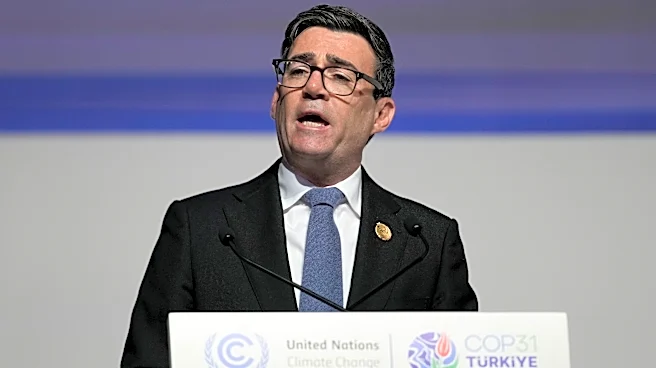
The United Nations Climate Change Conference (COP31) is currently underway in Antalya, Türkiye, from November 9 to 20, 2026. This global event convenes world leaders, negotiators, business leaders, climate scientists, Indigenous Peoples, and civil society
to advance global climate action. A significant focus of COP31 is the critical role of the ocean in the climate crisis. Discussions are centered on protecting coastal ecosystems, enhancing the resilience of coastlines, improving data collection for a better understanding of ocean dynamics, and assisting coastal communities in adapting to the impacts of climate change. The conference also features an Ocean Pavilion, co-led by California’s Scripps Institution of Oceanography, which is dedicated to showcasing science-based ocean solutions to climate challenges. The broader agenda includes negotiations on climate adaptation, greenhouse gas emission reduction, climate finance for developing nations, and ensuring a just transition for affected workers and communities. The Climate Action Agenda, a complementary track, brings together various stakeholders to find and share solutions for climate issues, including those related to health, food, electrification, waste reduction, and urban resilience.
Why It's Important?
The emphasis on ocean-related issues at COP31 is crucial for the United States due to its extensive coastlines and significant maritime economy. Rising sea levels and increased frequency of extreme weather events directly threaten U.S. coastal communities, infrastructure, and industries such as fisheries and tourism. By participating in and contributing to discussions on coastal ecosystem protection and resilience, the U.S. can leverage international collaboration to develop and implement more effective domestic strategies. Improved ocean data and scientific understanding, as highlighted at the conference, are vital for accurate climate modeling and informed policy-making, which can help mitigate economic losses and protect vulnerable populations. Furthermore, the focus on climate finance and a just transition has implications for U.S. foreign policy and its role in supporting developing nations, potentially fostering international partnerships that benefit global climate stability and U.S. economic interests through new markets for green technologies and services.
What's Next?
Following COP31, participating nations, including the U.S., are expected to integrate the outcomes and commitments into their national climate policies and strategies. This could lead to increased investment in coastal protection projects, enhanced ocean observation systems, and new initiatives to support climate adaptation in vulnerable communities. The insights and solutions presented at the Ocean Pavilion, particularly those from institutions like Scripps Institution of Oceanography, may influence future research priorities and funding allocations for ocean science. International collaborations fostered at COP31 could result in joint research ventures and shared technological advancements aimed at addressing ocean-related climate challenges. Additionally, the ongoing discussions on climate finance may lead to new funding mechanisms or increased contributions from developed nations, impacting how climate resilience projects are funded globally and potentially influencing U.S. foreign aid and climate diplomacy efforts.
Beyond the Headlines
The prominent role of the ocean at COP31 underscores a growing recognition of the interconnectedness between ocean health and global climate stability. Beyond immediate policy implications, this focus highlights the ethical responsibility of nations to protect marine biodiversity and ecosystems, which are vital for planetary life support systems. The emphasis on science-based solutions also signals a shift towards more evidence-driven policy-making, potentially elevating the role of scientific institutions and researchers in climate governance. Culturally, increased awareness of ocean issues could foster greater public engagement and support for conservation efforts, influencing consumer behavior and corporate sustainability practices. Legally, the outcomes of COP31 could inform the development of new international agreements or strengthen existing ones related to marine protected areas, sustainable fisheries, and pollution control, thereby shaping the future of ocean governance and resource management on a global scale.