




What's Happening?
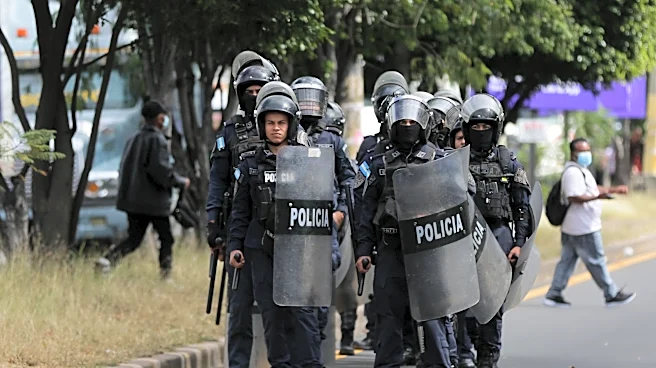
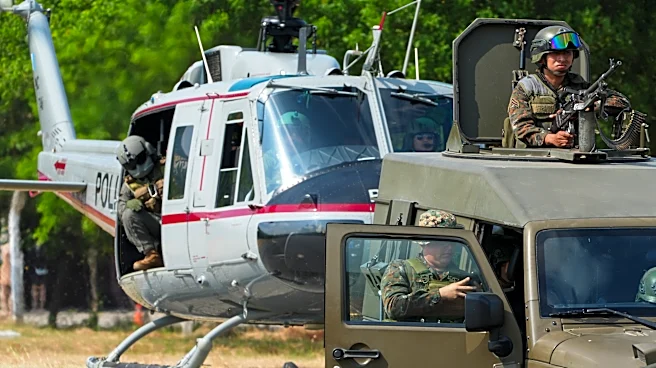
Mexican federal forces announced the arrest of César Daniel “N,” alias “El Topo,” a suspected cell leader of Los Deltas, the armed wing of the Jalisco New Generation Cartel (CJNG), in Zapopan on November 18, 2026. The operation resulted in the deaths
of three alleged gunmen. Omar García Harfuch, Mexico’s federal security secretary, announced the arrest. The suspect faces accusations related to drug trafficking, arms procurement for the criminal organization, money laundering, and extortion. The investigation into this cell began in April 2026, leading to previous raids in July that resulted in six arrests. The United States has designated the CJNG as a terrorist organization. The operation involved Mexico's Navy (Semar), the federal Security Ministry, and the Criminal Investigation Agency of the federal Attorney General’s office. Semar later reported that eight people were detained in total.
Why It's Important?
This arrest is significant due to the CJNG's designation as a terrorist organization by the United States, highlighting the ongoing cross-border efforts to combat organized crime. Jalisco, where the arrest occurred, is a state popular with U.S. tourists and expatriates, making cartel activities there a concern for American citizens and U.S. foreign policy. The apprehension of a high-ranking alleged cell leader like “El Topo” could disrupt the CJNG's operations, particularly in the Guadalajara area, where Los Deltas is reportedly active. The charges against him—drug trafficking, arms dealing, money laundering, and extortion—underscore the multifaceted nature of cartel operations that impact regional stability and international security. This action demonstrates Mexico's commitment to dismantling criminal networks that have direct implications for drug flow into the U.S. and the safety of Americans abroad.
What's Next?
The date for César Daniel “N”'s first court appearance has not yet been confirmed. Mexico's Navy (Semar) has indicated that investigations into the cell and the crimes attributed to its members are ongoing, suggesting further arrests or operations could follow. Authorities will likely continue to monitor the activities of Los Deltas and the broader CJNG to assess the impact of this arrest on their operational capabilities and leadership structure. The U.S. government, given its designation of CJNG as a terrorist organization, will likely observe these developments closely, potentially offering further cooperation or intelligence sharing with Mexican authorities. The legal proceedings against “El Topo” will be a key focus, as they could reveal more about the cartel's networks and operations.
Beyond the Headlines
The arrest of an alleged cell leader like “El Topo” touches upon the complex interplay between national security, international relations, and public safety. While a single arrest may not dismantle the entire CJNG, it represents a strategic blow that can create internal instability within the cartel, potentially leading to power vacuums or shifts in operational tactics. The ongoing presence of powerful cartels in regions frequented by U.S. citizens also raises questions about travel advisories and the safety of expatriate communities. Furthermore, the U.S. designation of CJNG as a terrorist organization underscores a broader strategy to combat transnational criminal organizations not just as drug traffickers but as entities that pose a significant threat to national security, blurring the lines between traditional law enforcement and counter-terrorism efforts. This incident highlights the persistent challenge of organized crime in Mexico and its far-reaching implications.