



What's Happening?
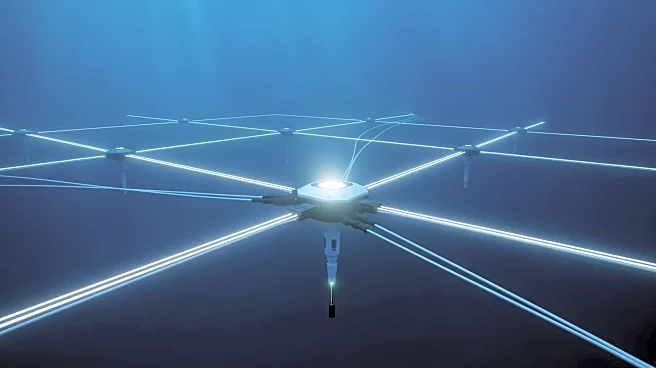
At the DIMDEX 2026 defense exhibition, Norway's Kongsberg unveiled its progress on a networked system designed to monitor and protect critical underwater infrastructure (CUI). The system, known as the Oslofjord critical maritime infrastructure (CMI) testbed,
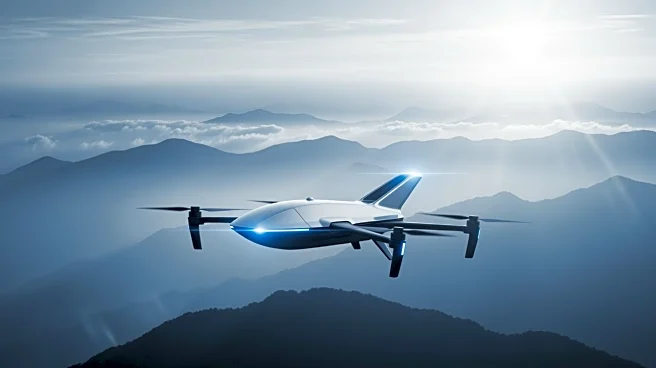
has been under development since June 2025. It aims to provide comprehensive protection from seabed to space, utilizing surface, aerial, and space-based assets. Christina Grimstad, Kongsberg's product solution director for maritime security, highlighted that the system's components have been previously sold to the offshore energy sector. A key element of the system is the 9-meter Sounder unmanned surface vehicle (USV), which was initially used for fish population research but has proven effective in the testbed. The diesel-powered USV can operate for 20 days at sea and is equipped with a moon-pool for deploying various sensors. Kongsberg's future plans include the Vanguard system, which will integrate manned mother ships as command-and-control hubs for manned-unmanned teaming with other platforms.
Why It's Important?
The development of Kongsberg's networked system for CUI protection is significant for enhancing maritime security, particularly in safeguarding critical infrastructure from potential threats. This system's ability to operate from seabed to space offers a comprehensive approach to monitoring and defense, which is crucial for industries reliant on underwater infrastructure, such as energy and telecommunications. The integration of unmanned vehicles and advanced sensor technology represents a shift towards more autonomous and efficient security solutions. This advancement could lead to increased investment in similar technologies, influencing defense strategies and policies globally. The system's deployment could also bolster national security by protecting vital infrastructure from sabotage or natural disasters, thereby ensuring the continuity of essential services.
What's Next?
Kongsberg's continued development and potential deployment of the Vanguard system will likely attract interest from various sectors, including defense and energy. As the system progresses, it may lead to collaborations with international partners seeking to enhance their maritime security capabilities. The integration of manned-unmanned teaming could set a precedent for future defense systems, prompting other companies to develop similar technologies. Stakeholders, including government agencies and private companies, may closely monitor the system's performance and consider its adoption for their security needs. Additionally, regulatory bodies might need to establish guidelines for the use of such advanced technologies in maritime environments.