











What's Happening?
A Utah resident, Elisa Jo Nelson, has been charged with fraudulently advertising a real estate property, a second-degree felony, after allegedly listing her former apartment manager's home for rent without consent. The charges also include unlawful online
impersonation and electronic communication harassment. The incident began with a harassment complaint in February 2025, when the victim discovered her home was falsely listed online for $950 a month, leading to numerous unwanted calls. The South Jordan Police Department traced the fraudulent listing to an IP address linked to Nelson. The victim, who had previously evicted Nelson from an apartment, reported the incident, prompting police to obtain search warrants for related email and phone records. Authorities claim digital evidence supports the accusation that Nelson intended to harass the former manager.
Why It's Important?
This case highlights the growing issue of fraudulent real estate listings, which can have significant impacts on both property owners and potential renters. Such scams often involve listing properties at below-market rates to lure victims into sending money without seeing the property. This incident underscores the need for increased vigilance and verification in online rental transactions. For property owners, it emphasizes the importance of monitoring online listings to prevent unauthorized use of their property details. The case also illustrates the potential for personal disputes to escalate into criminal activities, affecting the broader community by contributing to the prevalence of online scams.
What's Next?
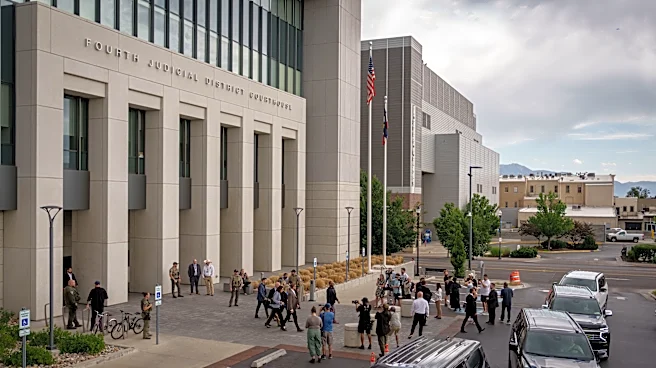
Elisa Jo Nelson has been issued a summons to appear in court to face the charges. The legal proceedings will likely explore the extent of the digital evidence and the motivations behind the fraudulent listing. This case may prompt discussions on enhancing legal frameworks to address online impersonation and fraud more effectively. It could also lead to increased awareness and preventive measures among property owners and renters to safeguard against similar scams. Law enforcement agencies might consider developing more robust strategies to track and prevent such fraudulent activities in the future.