




What's Happening?
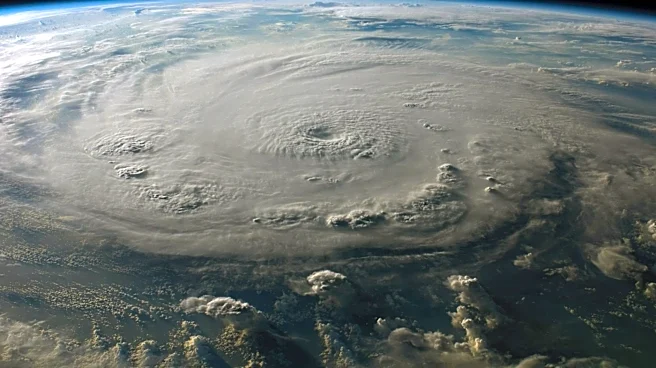
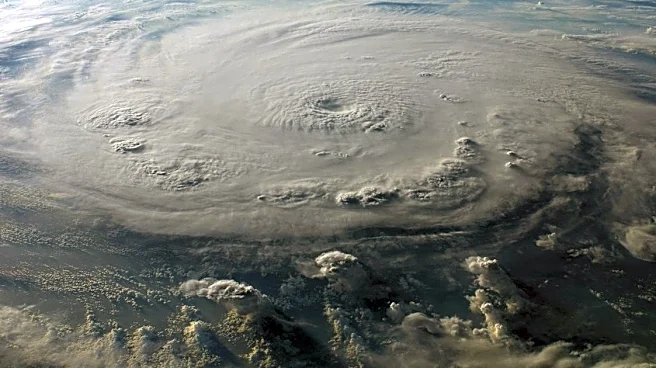
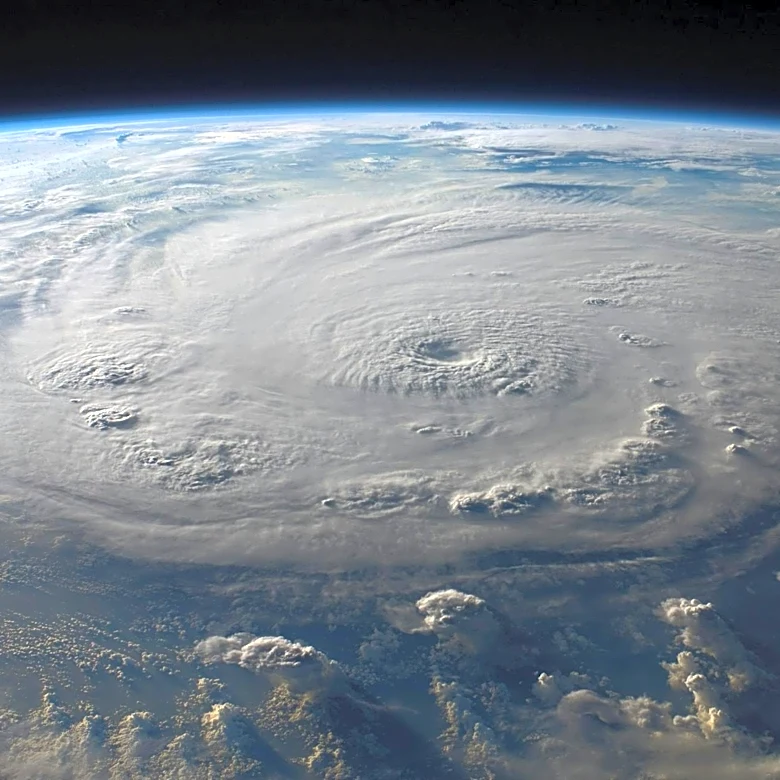
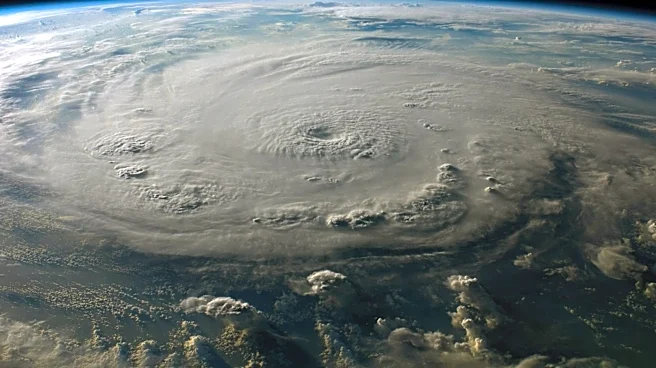
The Northwest Pacific Ocean is expected to experience its most active typhoon season since 2015, according to Tropical Storm Risk, a commercial forecaster. The 2026 season is projected to be 25% above the historical average, influenced by an emerging
El Niño and stronger-than-normal westerly winds. The forecast anticipates 18 typhoons, with 11 expected to be intense, surpassing the 10-year average of 14.2 and 8.4, respectively. This prediction follows a below-average 2025 season, which saw typhoon activity at 35% below the historical average. Despite the lower activity last year, powerful storms like Typhoon Ragasa caused significant damage in the Philippines, Taiwan, and Hong Kong. The European Centre for Medium-Range Weather Forecasts also predicts an above-normal number of tropical storms in the region this summer, contrasting with a quieter Atlantic storm season.
Why It's Important?
The anticipated increase in typhoon activity in the Northwest Pacific poses significant risks to the affected regions, including potential loss of life, infrastructure damage, and economic disruption. The forecasted active season could strain emergency response systems and require substantial resources for disaster preparedness and recovery. The impact of these storms extends beyond immediate damage, affecting supply chains, insurance markets, and regional economies. The heightened activity also underscores the importance of climate monitoring and adaptation strategies to mitigate the effects of such natural disasters. Stakeholders, including governments, businesses, and communities, must prepare for the potential challenges posed by an active typhoon season.
What's Next?
As the typhoon season progresses, affected regions will need to enhance their preparedness and response strategies. Governments may issue warnings and advisories to ensure public safety and minimize damage. Insurance companies will likely reassess their risk models and coverage options in response to the increased activity. Additionally, international aid and cooperation may be necessary to support recovery efforts in the aftermath of severe storms. Monitoring the development of El Niño and its influence on weather patterns will be crucial for forecasting and planning. The situation calls for coordinated efforts among regional and global stakeholders to address the challenges posed by an active typhoon season.